What Fluids Need to Be Changed in a Car? Essential Checks for Every Driver
Key Takeaways
- Vehicle fluids are essential for lubrication, cooling, braking, steering, and overall system performance.
- Engine oil, transmission fluid, coolant, brake fluid, and power steering fluid should be checked and serviced according to manufacturer recommendations.
- Low, contaminated, or leaking fluids can lead to reduced performance, safety issues, and costly repairs.
- Regular fluid inspections can help identify leaks, wear, and potential mechanical problems before they become serious.
- Different driving conditions, such as towing or extreme temperatures, may require more frequent fluid maintenance.
- Using the correct fluid type is important for protecting vehicle components and maintaining reliable operation.
- Consistent fluid maintenance can extend vehicle lifespan, improve reliability, and reduce long-term ownership costs.
Most drivers understand the importance of changing engine oil, but many overlook the other fluids that keep a vehicle running safely and efficiently. Modern vehicles rely on several different fluids to lubricate moving parts, regulate temperatures, support braking systems, and ensure smooth operation. Ignoring these fluids can lead to reduced performance, costly repairs, and even safety risks.
Regular fluid inspections and replacements are among the most important aspects of vehicle maintenance. While each fluid serves a different purpose, they all contribute to the overall health of the vehicle. Understanding what fluids need attention and when they should be checked can help drivers avoid unexpected breakdowns and extend the life of their cars.
This guide explains the essential vehicle fluids every driver should monitor, how often they may need to be changed, and why these routine checks matter.
Why Vehicle Fluids Are Important
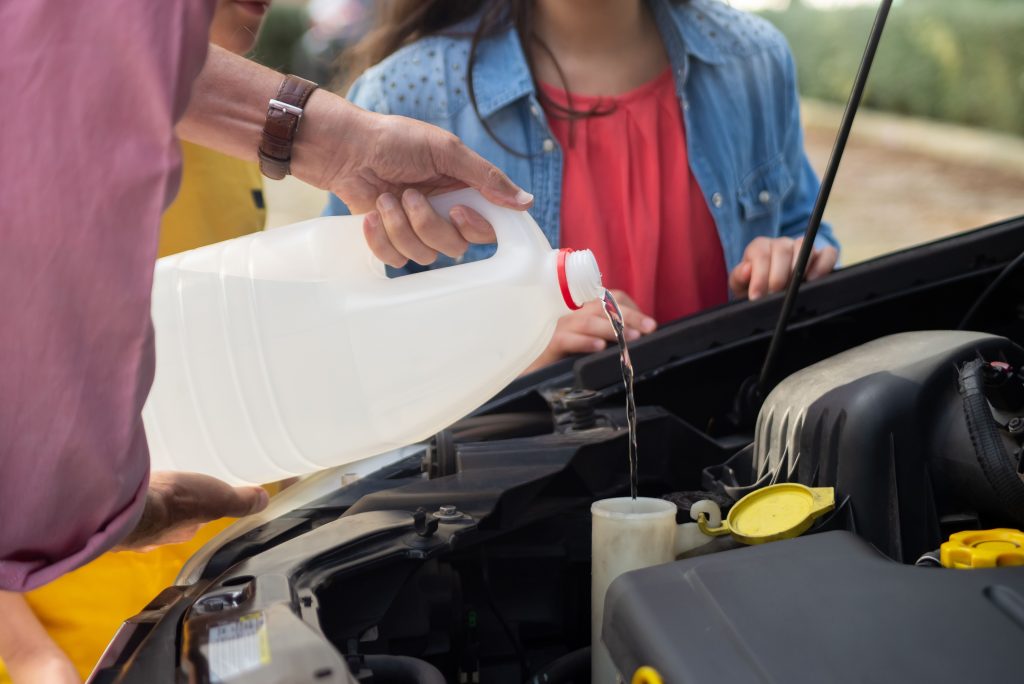
Fluids perform critical functions throughout a vehicle.
They help:
- Reduce friction
- Prevent overheating
- Transfer power
- Protect components
- Improve performance
- Support safe operation
Over time, fluids can become contaminated, lose effectiveness, or drop below recommended levels.
Regular inspections help identify problems before they become serious.
Engine Oil
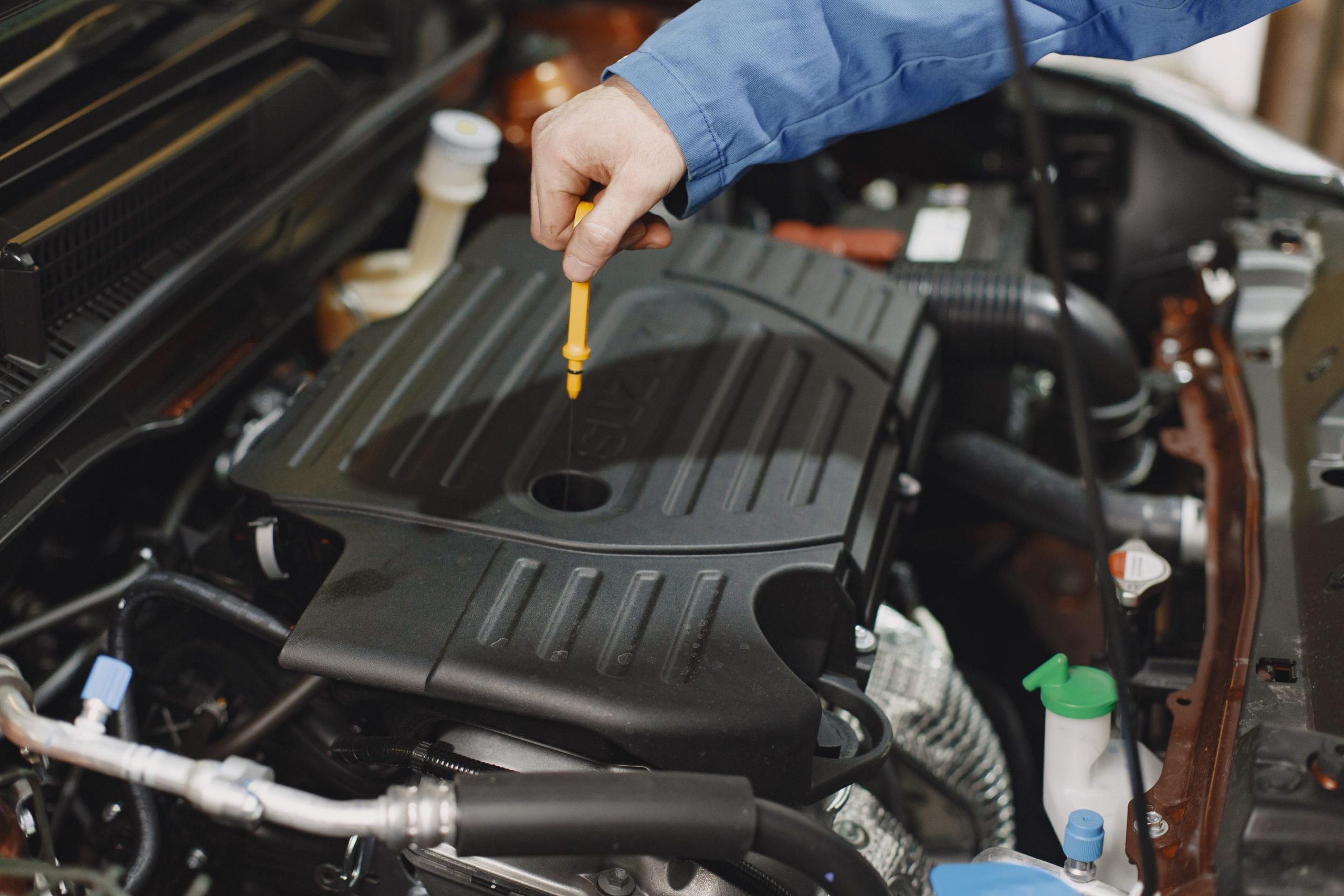
Engine oil is one of the most important fluids in any vehicle.
Its primary functions include:
- Lubricating engine components
- Reducing friction
- Dissipating heat
- Preventing wear
- Removing contaminants
Without proper lubrication, engine damage can occur quickly.
Signs Engine Oil Needs Attention
Common signs include:
- Oil warning light
- Engine noise
- Dark, dirty oil
- Reduced fuel efficiency
How Often Should Oil Be Changed?
The interval depends on:
- Vehicle type
- Driving conditions
- Oil type
Many modern vehicles require oil changes every:
- 5,000 to 10,000 miles
Always follow manufacturer recommendations.
Transmission Fluid
Transmission fluid helps the transmission operate smoothly.
Functions include:
- Lubrication
- Cooling
- Hydraulic pressure support
Both automatic and manual transmissions rely on fluid for proper operation.
Signs of Transmission Fluid Problems
Watch for:
- Delayed shifting
- Rough gear changes
- Slipping gears
- Unusual noises
When to Change Transmission Fluid
Service intervals vary significantly.
Many manufacturers recommend inspection and replacement between:
- 30,000 and 60,000 miles
Some vehicles may require longer intervals.
Coolant (Antifreeze)
Coolant helps regulate engine temperature.
It prevents:
- Overheating
- Freezing
- Corrosion
The cooling system relies on a proper mixture of coolant and water.
Signs Coolant Needs Attention
Potential indicators include:
- Rising temperature gauge
- Coolant warning light
- Coolant leaks
- Sweet odors
Coolant Replacement Intervals
Many vehicles require coolant replacement every:
- 30,000 to 100,000 miles
The exact schedule depends on coolant type and manufacturer recommendations.
Brake Fluid
Brake fluid is essential for safe stopping power.
It transfers force from the brake pedal to the braking system.
Unlike some other fluids, brake fluid absorbs moisture over time.
Why Moisture Is a Problem
Excess moisture can:
- Reduce braking performance
- Cause corrosion
- Lower boiling points
Signs Brake Fluid Needs Service
Watch for:
- Soft brake pedal
- Reduced braking response
- Brake warning lights
Brake Fluid Replacement
Many manufacturers recommend replacement every:
- Two to three years
Even if mileage is low, brake fluid may still require service due to moisture absorption.
Power Steering Fluid
Many vehicles use power steering fluid to assist steering operation.
This fluid helps drivers:
- Turn more easily
- Maintain steering responsiveness
Signs of Low or Dirty Power Steering Fluid
Symptoms may include:
- Difficulty steering
- Whining noises
- Fluid leaks
Service Intervals
Some vehicles require periodic fluid changes, while others use longer-lasting systems.
Consult the owner’s manual for specific recommendations.
Differential Fluid
The differential helps transfer power to the wheels.
Differential fluid lubricates:
- Gears
- Bearings
- Internal components
Signs Differential Fluid Needs Attention
Possible symptoms include:
- Whining sounds
- Vibration
- Gear wear
Recommended Service
Many vehicles require differential fluid replacement every:
- 30,000 to 60,000 miles
Heavy-duty use may require more frequent service.
Transfer Case Fluid
Vehicles equipped with:
- Four-wheel drive
- All-wheel drive
often contain a transfer case.
Transfer case fluid lubricates internal components and supports power distribution.
Why It Matters
Neglected transfer case fluid may lead to:
- Increased wear
- Drivetrain damage
- Expensive repairs
Service schedules vary depending on vehicle type.
Windshield Washer Fluid
Although not a mechanical lubricant, windshield washer fluid remains important.
It helps:
- Remove dirt
- Improve visibility
- Enhance safety
Check Fluid Regularly
Low washer fluid can make driving difficult during:
- Rain
- Snow
- Dusty conditions
Maintaining adequate levels is a simple but important safety practice.
Clutch Fluid
Many manual transmission vehicles use hydraulic clutch systems.
These systems often rely on brake fluid or a dedicated hydraulic fluid.
Signs of Clutch Fluid Problems
Potential symptoms include:
- Difficulty shifting
- Soft clutch pedal
- Fluid leaks
Routine inspections help ensure proper clutch operation.
Air Conditioning Refrigerant
Technically, refrigerant is not always considered a standard maintenance fluid, but it is critical for climate control.
Refrigerant allows the air conditioning system to:
- Cool the cabin
- Remove humidity
Signs of Refrigerant Issues
Common indicators include:
- Warm air from vents
- Reduced cooling performance
Leaks should be repaired before adding additional refrigerant.
Why Fluid Levels Matter
Even clean fluids become ineffective if levels are too low.
Low fluid levels may indicate:
- Leaks
- Excessive consumption
- System failures
Routine fluid checks can identify problems before major damage occurs.
Learn How to Check Fluids Yourself
Many fluid inspections can be performed at home.
Common checks include:
- Engine oil
- Coolant reservoir
- Brake fluid reservoir
- Washer fluid tank
Always follow vehicle-specific instructions.
Some modern vehicles may require electronic monitoring systems instead of traditional dipsticks.
Check for Fluid Leaks
Fluid leaks should never be ignored.
Different fluids often have distinct colors.
Examples include:
Engine Oil
Typically:
- Amber
- Brown
- Black
Coolant
Often:
- Green
- Orange
- Pink
Transmission Fluid
Usually:
- Red
- Pink
Brake Fluid
Generally:
- Clear
- Light yellow
Identifying leaks early can prevent extensive damage.
Understand Severe Driving Conditions
Certain driving habits place additional stress on fluids.
Examples include:
- Towing
- Stop-and-go traffic
- Extreme temperatures
- Mountain driving
Under severe conditions, fluid changes may be required more frequently.
Review the maintenance schedule carefully.
Why Fluid Maintenance Saves Money
Routine fluid service may seem like a small expense.
However, it often prevents larger repair bills.
Examples include:
Oil Changes
Can help prevent:
- Engine wear
- Engine failure
Coolant Service
Can reduce the risk of:
- Overheating
- Cooling system damage
Transmission Fluid Service
Can help avoid:
- Transmission rebuilds
- Expensive repairs
Preventive maintenance is often more affordable than major repairs.
Create a Maintenance Schedule
Keeping track of fluid service helps avoid missed maintenance.
Useful records include:
- Oil changes
- Coolant replacement
- Brake fluid service
- Transmission maintenance
Maintenance logs can also improve resale value.
Watch for Warning Lights
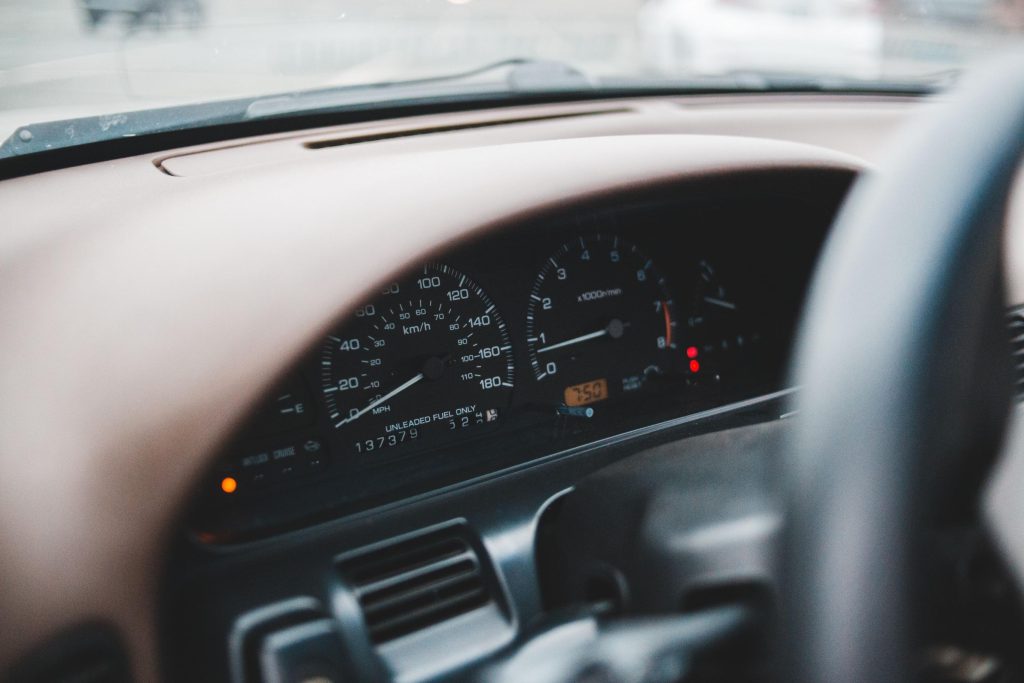
Modern vehicles monitor many systems electronically.
Common warning indicators include:
- Oil pressure light
- Temperature warning light
- Brake warning light
Never ignore warning lights related to fluid systems.
Prompt attention may prevent serious damage.
Seasonal Fluid Checks
Changing weather conditions affect vehicle performance.
Before winter:
- Check coolant protection
- Verify washer fluid levels
Before summer:
- Inspect cooling system
- Monitor fluid levels closely
Seasonal inspections improve reliability.
Use Manufacturer-Approved Fluids
Not all fluids are interchangeable.
Using incorrect fluids may:
- Reduce performance
- Cause component damage
- Void warranties
Always verify fluid specifications before adding or replacing fluids.
The Connection Between Maintenance and Vehicle Longevity
One of the best ways to learn how to maintain your vehicle is by understanding the role fluids play in protecting major systems. Consistent fluid inspections and replacements help reduce wear, improve reliability, and extend the lifespan of the vehicle.
Small maintenance tasks performed regularly often prevent larger mechanical failures.
Fluids and Vehicle Restoration Projects
Fluid service is especially important when working on older vehicles. Anyone researching how to restore a damaged vehicle should understand that replacing old or contaminated fluids is often one of the first steps in bringing a vehicle back to reliable operating condition.
Fresh fluids can help protect restored components and support long-term performance.
Common Fluid Maintenance Mistakes
Ignoring Service Intervals
Waiting too long between fluid changes can increase wear.
Mixing Different Fluid Types
Always use approved products.
Overfilling Systems
Too much fluid can cause problems as well.
Ignoring Leaks
Small leaks often become larger issues.
Relying Only on Warning Lights
Many fluid problems develop before warning lights appear.
Regular inspections remain important.
When to Visit a Professional
While some fluid checks are simple, professional service may be beneficial when:
- Leaks are present
- Warning lights appear
- Unusual noises develop
- Fluid contamination is suspected
Technicians can inspect systems more thoroughly and identify hidden problems.
Building Better Maintenance Habits
Good maintenance habits do not need to be complicated.
Simple actions include:
- Checking fluids monthly
- Following service schedules
- Addressing leaks quickly
- Keeping maintenance records
Consistency is often the key to long-term vehicle reliability.
Final Thoughts
Vehicle fluids play a critical role in nearly every aspect of a car’s operation. From engine oil and transmission fluid to coolant and brake fluid, each fluid helps protect important systems and ensure safe, efficient performance.
Regular inspections and timely fluid changes can help prevent breakdowns, improve vehicle reliability, and reduce repair costs. While engine oil often receives the most attention, every fluid deserves proper care and monitoring.
By understanding which fluids need maintenance and following manufacturer recommendations, drivers can protect their vehicles, improve safety, and extend the life of their cars for many years to come.