What to Do After an Accident Repair Guide
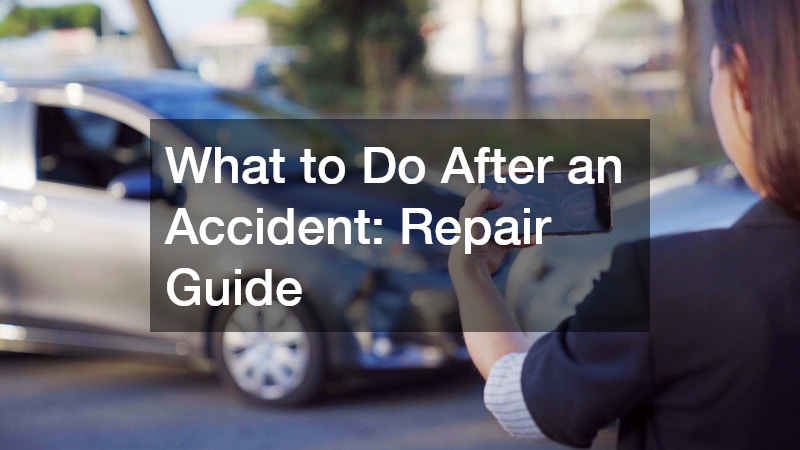
Car accidents can be stressful, confusing, and overwhelming. In just a few seconds, your routine can be disrupted by unexpected damage, safety concerns, and a long list of decisions that need to be made quickly. Knowing what to do next can make a significant difference in how smoothly the recovery process goes—both for your well-being and your vehicle.
This guide walks through each step you should take after an accident, focusing specifically on how to handle repairs efficiently and responsibly. From ensuring safety at the scene to navigating repairs and potential legal considerations, these insights will help you stay organized and make informed decisions during a challenging time.
Prioritize Safety and Assess Immediate Damage
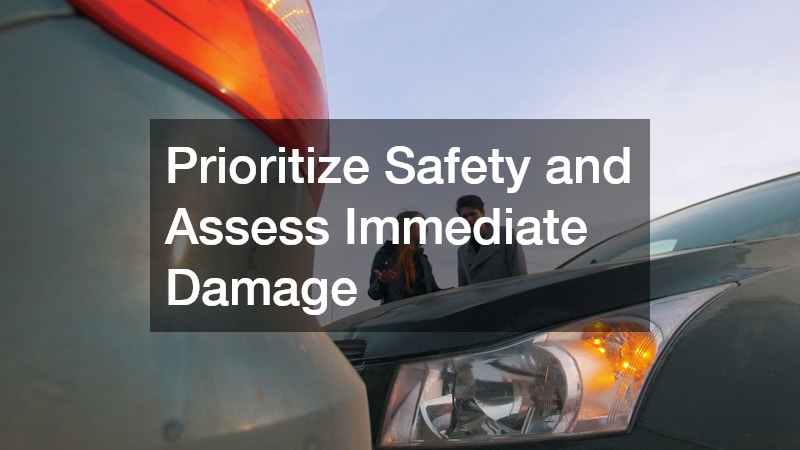
Your first priority after any accident is safety. Before worrying about repairs or insurance, make sure you and anyone else involved are out of harm’s way.
If your vehicle is drivable and it’s safe to do so, move it to the side of the road to avoid further collisions. Turn on hazard lights and set up reflective triangles if you have them. If the vehicle is not safe to drive, it’s best to call a tow truck to transport it rather than risking additional damage or injury.
Once you’re in a secure location, assess the visible damage. Look for issues such as:
- Leaking fluids under the car
- Smoke or unusual smells
- Broken lights or shattered glass
- Misaligned wheels or difficulty steering
Even if the damage seems minor, hidden issues can exist. Driving a compromised vehicle may worsen the damage and increase repair costs. That’s why it’s often safer to have the car transported directly to an auto repair shop for a professional evaluation.
Taking these initial precautions helps prevent further complications and sets the stage for a smoother repair process.
Document the Scene Thoroughly for Future Use
Proper documentation is one of the most important steps you can take after an accident. It protects you legally and ensures you have the information needed for insurance claims and repairs.
Start by taking clear photos and videos of:
- All vehicles involved, including license plates
- Close-ups of damage from multiple angles
- Road conditions, traffic signs, and weather
- Any visible injuries
You should also collect key details such as driver contact information, insurance details, and statements from witnesses.
Modern vehicles may also contain data that can be retrieved later using a crash data retrieval system. This technology can provide insights into speed, braking, and other factors leading up to the accident. While you won’t access this yourself, it may become relevant if disputes arise.
Thorough documentation can also be valuable if you need to consult accident attorneys. The more evidence you have, the easier it becomes to support your case and ensure fair handling of your claim.
Seek Medical Attention and Keep All Records
Even if you feel fine immediately after an accident, it’s important to seek medical attention. Some injuries, such as whiplash or internal trauma, may not show symptoms right away.
Getting evaluated by a medical professional ensures your safety and creates an official record of your condition. This documentation can be critical later, especially if complications arise.
Be sure to keep:
- Medical reports and diagnoses
- Bills and receipts
- Prescriptions and treatment plans
- Notes on pain levels and recovery progress
These records can play a key role if you decide to pursue compensation. Many car accident lawyers rely on detailed medical documentation to demonstrate the extent of injuries and related costs.
If your injuries are significant or your claim becomes complicated, consulting a car accident lawyer can help you understand your options and protect your interests.
Notify Your Insurance Company Promptly

After ensuring safety and documenting the scene, your next step is to notify your insurance provider. Most policies require prompt reporting, and delays can complicate your claim.
When speaking with your insurer:
- Provide accurate and factual information
- Avoid speculation about fault
- Share photos and documentation if requested
Your insurance company may recommend an auto repair company within their network. While these recommendations can be convenient, it’s important to remember that you have the right to choose where your vehicle is repaired.
Understanding your coverage is also essential. Ask questions about:
- Deductibles and out-of-pocket costs
- Rental car coverage
- Timeline for claim processing
Clear communication with your insurer helps prevent misunderstandings and ensures your repair process moves forward efficiently.
Choose the Right Repair Professionals Carefully
Selecting the right professionals to repair your vehicle is one of the most important decisions you’ll make after an accident. The quality of repairs directly impacts your vehicle’s safety, performance, and long-term value.
Working with a trusted local auto body shop offers several advantages, including personalized service and familiarity with community standards. These businesses often rely on reputation, which can translate into better customer care.
When evaluating an auto repair shop, consider the following:
- Certifications and technician experience
- Customer reviews and testimonials
- Warranty offerings on parts and labor
- Transparency in estimates and timelines
Ask questions before committing:
- What parts will be used—OEM or aftermarket?
- How long will repairs take?
- Will they assist with insurance claims?
Taking the time to choose a reputable repair provider helps ensure your vehicle is restored properly and safely. A well-established shop will often have experienced technicians who are up to date on the latest repair techniques and technologies. This not only leads to better workmanship but also gives you peace of mind knowing your vehicle is in good hands. Additionally, many reputable providers offer warranties on their work, which can save you money and stress in the long run. Don’t hesitate to read reviews and ask for recommendations to find a service that you can trust.
Understand the Full Scope of Vehicle Damage
After an accident, damage isn’t always limited to what you can see. Internal components, structural elements, and electronic systems may also be affected.
A comprehensive inspection should include:
- Frame and structural integrity checks
- Suspension and alignment evaluation
- Engine and transmission diagnostics
- Electrical system testing
For larger vehicles, such as trucks, the complexity of repairs can increase significantly. Truck repair often involves specialized equipment and expertise, especially when dealing with heavy-duty components.
Request a detailed estimate that outlines:
- All identified issues
- Required parts and labor
- Projected timelines
Understanding the full scope of damage ensures there are no surprises later and helps you make informed decisions about repairs. By thoroughly assessing the situation, you can prioritize the most critical issues and allocate your resources effectively. This proactive approach not only saves time and money but also provides peace of mind as you navigate the repair process.
Address Critical Repairs First for Safety
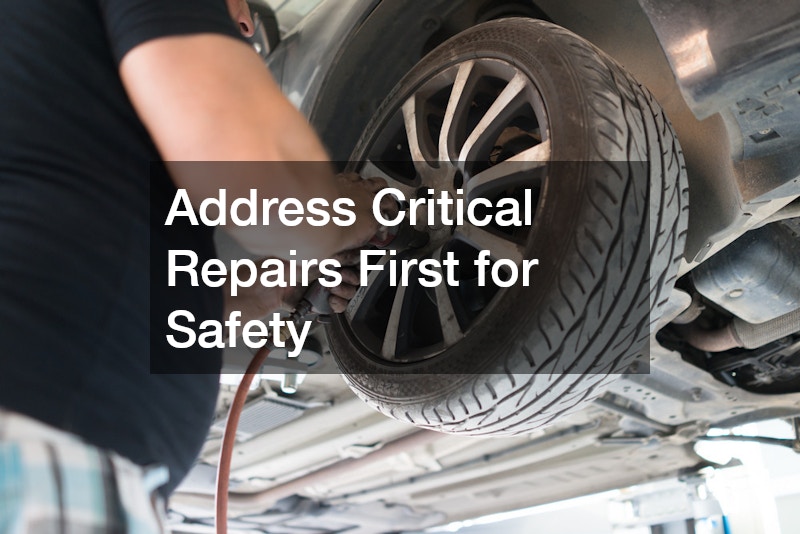
Not all repairs are equal when it comes to safety. Some issues must be addressed immediately to ensure your vehicle is safe to drive. Even if the car appears functional, underlying damage can affect critical systems and increase the likelihood of another incident if left unresolved.
Critical repairs often include:
- Brake system fixes, since reduced stopping power or uneven braking can make it difficult to avoid hazards
- Airbag and sensor replacements, which are essential for proper deployment in the event of another collision
- Frame and structural corrections, as a compromised frame can impact how the vehicle absorbs impact and maintains stability
- Tire and wheel alignment, which directly affects handling, steering control, and even tire wear over time
It’s important to understand that these components work together. For example, misalignment can strain suspension parts, while frame damage can throw off the calibration of safety sensors. Addressing these issues early helps restore the vehicle’s overall performance and safety standards.
One commonly overlooked issue is windshield damage. Cracks or chips can compromise visibility and structural integrity, making car windshield replacement a priority in many cases. The windshield plays a key role in supporting the roof during a rollover and helps airbags deploy correctly, so even minor damage shouldn’t be ignored.
Delaying essential repairs can:
- Increase the risk of further accidents, especially if safety systems are not functioning properly
- Lead to more extensive damage, as small issues can worsen with continued driving
- Result in higher repair costs, since untreated problems often require more complex fixes later
In addition, postponing critical repairs may affect your insurance claim or warranty coverage, particularly if further damage occurs due to inaction. By prioritizing safety-related fixes, you protect yourself and others on the road while preventing future complications and ensuring your vehicle remains reliable for daily use.
Monitor the Repair Process and Stay Informed
Once repairs begin, staying informed about the process can help ensure everything goes as planned. Regular communication with your chosen auto repair company is key, as it allows you to stay updated on progress and address any concerns before they turn into larger issues. Establishing a point of contact early on can make communication smoother and more consistent throughout the repair timeline.
Ask for updates on:
- Repair progress and milestones, so you understand what has been completed and what remains
- Any additional issues discovered, especially hidden damage that may not have been visible during the initial inspection
- Changes to timelines or costs, including explanations for delays or revised estimates
It’s also helpful to ask whether repairs are proceeding according to the original plan and if any approvals are needed from you before continuing. Staying engaged ensures that no unexpected work is completed without your knowledge.
It’s also important to understand the types of parts being used:
- OEM (original equipment manufacturer) parts typically offer better compatibility and are designed specifically for your vehicle’s make and model
- Aftermarket parts may be more affordable but vary in quality, so it’s worth asking about warranties and performance expectations
If you have a preference for parts, communicate that clearly to avoid confusion later. Some insurance policies may influence what parts are approved, so clarifying this early can prevent disagreements.
Keep copies of all documentation, including:
- Estimates and invoices, which outline the cost breakdown and any adjustments made during the process
- Repair summaries, detailing the work performed and parts replaced
- Warranty information, so you understand what is covered if issues arise after the repair is completed
You may also want to keep a record of communication, such as emails or written approvals, in case questions come up later. Being proactive during this stage helps you catch potential issues early and ensures your vehicle is repaired to your expectations while avoiding unnecessary delays or surprises.
Know Your Legal Options if Issues Arise

Sometimes, complications arise during the repair or claims process. Delays, disputes over costs, or disagreements about fault can create additional stress, especially when you’re trying to get your vehicle back on the road quickly. These issues can slow progress, increase out-of-pocket expenses, and make communication with insurers or repair providers more difficult.
If you encounter challenges, it may be helpful to explore your legal options. Accident attorneys can assist with resolving disputes, negotiating with insurers, and ensuring your rights are protected. They can review your claim, identify any inconsistencies, and advocate on your behalf so you’re not left handling complex situations alone.
Situations where legal support may be beneficial include:
- Denied or underpaid insurance claims, where compensation doesn’t fully cover repairs or related expenses
- Disagreements about repair coverage, including what damages are considered necessary or eligible under your policy
- Delays that impact your ability to use your vehicle, especially if transportation is essential for work or daily responsibilities
- Conflicts between repair shops and insurance providers over costs or repair methods
- Cases where liability is unclear or contested, making it harder to move forward with repairs or reimbursement
Car accident lawyers can also provide guidance if your case involves injuries or significant financial losses. They may help coordinate documentation, communicate with insurance adjusters, and ensure that all aspects of your damages—both immediate and long-term—are properly considered. Their expertise can help you navigate complex situations and achieve a fair outcome while reducing the burden on you during an already stressful time.
Conclusion
Recovering from an accident involves more than just fixing your vehicle—it requires careful planning, informed decisions, and attention to detail at every step. By prioritizing safety, documenting the situation, choosing qualified professionals, and staying engaged throughout the repair process, you can minimize stress and avoid costly mistakes.
Taking a proactive approach ensures that your vehicle is restored properly and that you’re prepared to handle any challenges that arise along the way. With the right knowledge and resources, you can move forward confidently and get back on the road safely.