The Ultimate Guide for Extending Your Vehicles Lifespan

Buying a new vehicle is one of the most significant financial investments the average person makes. With new car prices remaining near historical highs and auto loan interest rates adding thousands of dollars to long-term financing, the financial argument for keeping your current car on the road as long as possible has never been more compelling.
Modern automobiles are marvels of mechanical engineering. Gone are the days when a car with 100,000 miles on the odometer was considered on its last legs. With proper care, engineering standards today allow vehicles to easily cross the 200,000-mile or even 300,000-mile threshold without requiring a complete powertrain overhaul. Reaching that milestone, however, does not happen by accident. It requires an intentional, proactive approach to vehicle ownership that spans mechanical upkeep, structural preservation, defensive operation, and proper recovery after unexpected incidents.
1. Mechanical Mastery: Essential Powertrain Maintenance
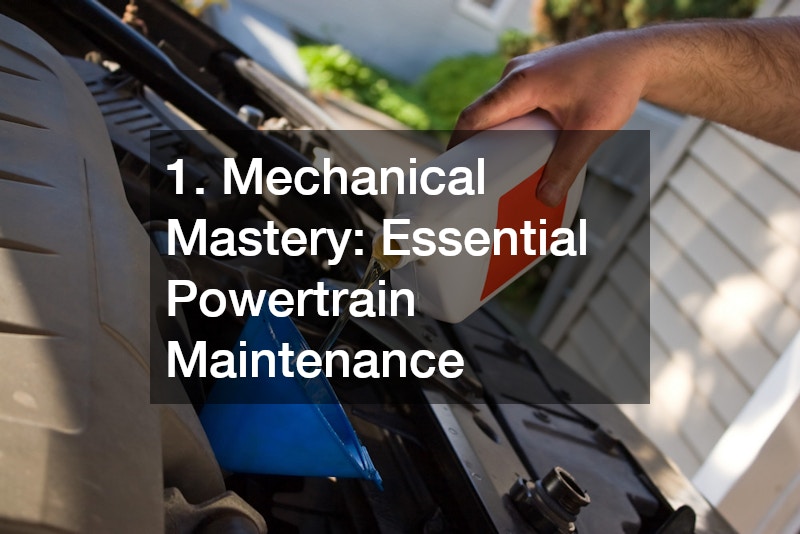
The engine and transmission form the mechanical heart of your vehicle. Keeping these components properly lubricated, cooled, and calibrated is the single most critical factor in determining whether your car lasts seven years or twenty.
Establish a Rigorous Fluid Management Schedule
Engine oil is often called the lifeblood of the automobile, but it is far from the only critical fluid keeping your vehicle operational. Modern high-tech engines utilize complex variable valve timing and hydraulic tensioners that rely on pristine oil pressure to operate. Delaying oil changes allows sludge to accumulate, clogging minute oil passages and starving vital engine parts of lubrication.
Beyond engine oil, a long-term fluid preservation strategy must include:
- Transmission Fluid: Automatic transmissions generate immense heat and friction. Over time, transmission fluid breaks down, losing its viscosity and ability to cool delicate planetary gear sets and clutch packs. Replace this fluid according to your manual’s “severe service” schedule, which better reflects real-world driving.
-
Engine Coolant (Antifreeze): Coolant contains anti-corrosion additives that neutralize acidity. As coolant ages, these additives break down, allowing internal rust and scale to eat away at your aluminum radiator, heater core, and water pump.
-
Brake Fluid: Brake fluid is hygroscopic, meaning it actively absorbs moisture from the surrounding air. Excess water in the lines lowers the boiling point of the fluid, causing spongy pedal feel during hard stops, while simultaneously rusting internal anti-lock braking system (ABS) valves from the inside out.
Build a Long-Term Relationship with a Certified Professional
While basic inspections can be performed at home, developing an ongoing relationship with a trusted auto mechanic is invaluable for long-term vehicle health. A skilled technician who gets to know your vehicle over several years can spot subtle changes in performance, minor seepage before it becomes a major leak, and early signs of component fatigue.
When selecting a repair facility, look for certifications such as Automotive Service Excellence (ASE) and shops that utilize digital vehicle inspections. These digital reports provide high-resolution photos and video evidence of wear items, allowing you to prioritize necessary repairs transparently and keep an accurate paper trail for future resale value.
2. Structural Integrity: Exterior Care and Frame Protection
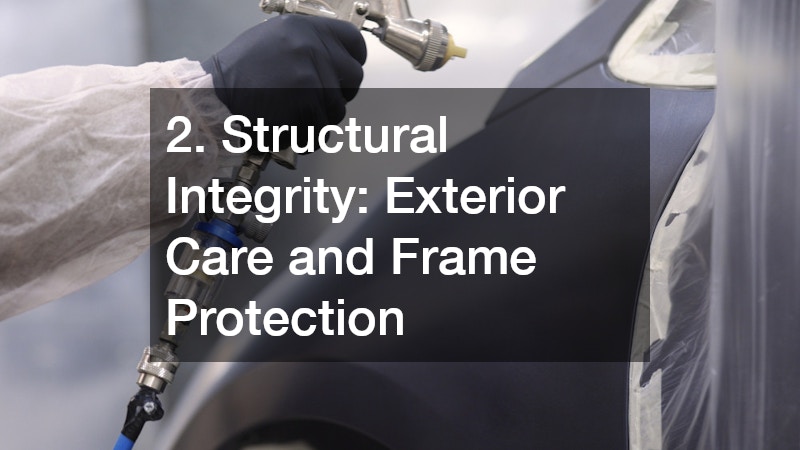
A vehicle can run perfectly from a mechanical standpoint, but if its body shell or underlying structural frame yields to corrosion, the vehicle becomes unsafe and financially impractical to maintain. Preserving the exterior is about far more than vanity; it is an exercise in structural preservation.
Combat Environmental Hazards with Regular Cleaning
Every day your car sits outside, its metal surfaces are under attack from chemical and environmental contaminants. Bird droppings contain uric acid that can etch through clear coat within hours. Tree sap bakes into the finish under sunlight, while brake dust from iron rotors settles on wheels and lower body panels, rusting upon exposure to moisture.
Winter conditions introduce an even greater threat: road salt and liquid chemical deicers like calcium chloride. These salts act as accelerators for oxidation, rapidly eating away at exposed steel subframes, suspension control arms, fuel lines, and exhaust piping.
To mitigate this environmental damage:
-
Rinse your vehicle every two weeks, paying special attention to the undercarriage where salt and road grime collect out of sight.
-
Frequent visits to local car washes with dedicated underbody high-pressure sprayers are essential during winter months to flush salt out of frame rails and rocker panels.
-
Avoid parking directly under pine or sap-producing trees, or use a breathable vehicle cover if outdoor parking is unavoidable.
Protect Your Paint and Clear Coat
Your car’s paint system consists of an electro-deposition primer, a color base coat, and a thin protective clear coat. Once the clear coat oxidizes and fails due to ultraviolet (UV) exposure, the underlying paint fades, leaving bare metal vulnerable to atmospheric moisture.
Periodically perform a “water bead test.” Wash your car and splash clean water onto the hood. If the water forms tight, round beads, your protective layer is intact. If the water sheets flat across the metal, the clear coat is completely unprotected and requires immediate polishing and sealing.
3. Optical Clarity and Glass Preservation
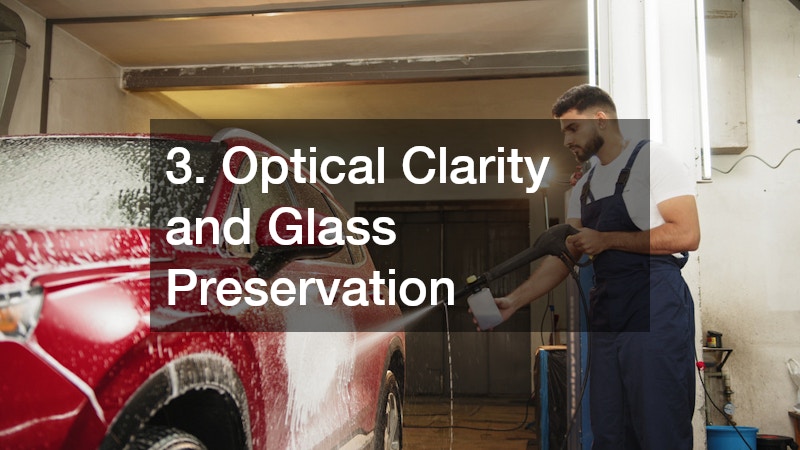
Automotive glass is a crucial structural component of a modern vehicle’s safety cage. Compromised, chipped, or cracked glass not only impairs driving visibility but can also lead to structural failure during a rollover or improper airbag deployment.
Address Minor Glass Damage Immediately
A small rock chip in your windshield may seem like a minor cosmetic nuisance, but it represents a structural breach in the outer layer of laminated safety glass. Changes in ambient temperature cause the glass to expand and contract, placing immense stress on the impact point. A cold morning defrost cycle or hitting a single pothole can instantly cause a tiny chip to spiderweb across the entire glass surface.
If your windshield suffers a rock strike:
-
Cover the chip immediately with a piece of clear tape to keep dirt, moisture, and washer fluid out of the damaged interlayer.
-
Avoid using heavy windshield defrosters until the damage has been evaluated.
-
Contact a technician who specializes in local windshield repair to inject an epoxy resin into the chip. This restores optical clarity and structural strength before the damage spreads.
Recognize When Safety Demands Total Replacement
When a crack extends beyond the size of a dollar bill, penetrates the inner layer of glass, or sits directly in the driver’s primary line of sight, localized repair is no longer a safe option.
Modern vehicles rely on the front windshield to provide up to 45% of the cabin’s structural integrity in a rollover accident. Furthermore, passenger-side airbags are designed to bounce off the interior face of the windshield to properly position themselves during a collision. A cracked or compromised windshield can pop outward under airbag deployment pressure, leaving occupants unprotected.
When seeking professional windshield replacement services, ensure the service provider uses Original Equipment Manufacturer (OEM) or equivalent glass and high-grade polyurethane adhesives. If your vehicle features Advanced Driver Assistance Systems (ADAS), such as lane departure warnings or forward collision braking centered around the rearview mirror, the camera system must be recalibrated immediately following installation to ensure these safety features operate accurately.
4. Defensive Driving and Operational Habits

How you operate your vehicle on a minute-to-minute basis has a direct, cumulative effect on the wear rates of every mechanical component inside it. Smooth, mindful driving habits can double the life of your brakes, suspension components, and tires.
Refine Driving Techniques to Reduce Mechanical Wear
Aggressive driving habits impose immense mechanical stress on your vehicle. Stomping on the gas pedal forces the transmission to downshift violently, sending heavy torque shocks through the driveshafts and engine mounts. Slamming on the brakes converts engine energy into intense friction heat, causing brake pads to glaze and rotors to warp prematurely.
Consider these smooth operational adjustments:
-
Anticipate Traffic Flow: Look a quarter-mile ahead down the road. Coasting early to a red light or slowing down gently saves brake lining material and reduces transmission wear.
-
Smooth Steering Inputs: Avoid turning the steering wheel while the vehicle is at a complete stop. “Dry steering” puts extreme stress on tie-rod ends, ball joints, and the power steering rack.
-
Mind the Potholes: Driving over rough roads, train tracks, and potholes at speed compresses suspension springs to their bump stops, blowing out hydraulic struts and knocking wheel alignments out of specification.
Drivers looking to break bad operational habits should consider enrolling in a certified driving school. Professional instruction isn’t just for teenagers getting their first license; advanced adult driving courses teach smooth vehicle control, defensive spatial awareness, and techniques that minimize wear and tear on your vehicle’s friction points.
Gentle Warm-Up Protocols
A widespread myth among drivers is that a vehicle needs to idle in the driveway for ten minutes on cold winter mornings before moving. In reality, extended idling causes engine oil to heat up very slowly, while unburned fuel washes past cold piston rings, diluting the crankcase oil with gas.
The optimal warm-up routine is simple: start the engine, wait 30 seconds for oil pressure to stabilize across the cylinder head, and drive off gently. Avoid heavy acceleration or high engine speeds until the coolant temperature gauge reaches its normal midpoint, which indicates that all internal metal components have expanded to their designed operating tolerances.
5. Accident Recovery, Post-Collision Care, and Legal Protection
Even the most meticulously maintained vehicle can suffer severe damage from an unexpected traffic accident. How you handle the immediate aftermath of a crash determines whether your vehicle can be restored to safe, long-term operation or ends up suffering from lingering mechanical issues.
Professional Roadside Extraction and Transport
The moments immediately following an accident or breakdown are chaotic, but hasty decisions regarding vehicle transportation can cause catastrophic secondary damage.
Modern all-wheel-drive (AWD) systems, electric vehicles, and low-clearance sedans require specialized handling during transport:
-
Towing an AWD vehicle with two wheels dragging on the pavement will destroy the center differential or transfer case within a few miles.
-
Improperly attaching winch hooks to aluminum suspension arms instead of designated tie-down slots can bend delicate frame components beyond repair.
-
When calling for roadside recovery, always request a flatbed tow truck so the vehicle can be winched cleanly onto a level deck without dragging its drivetrain.
Structural Restoration and Frame Realignment
Following an impact, cosmetic repairs like replacing a bumper cover or painting a fender are straightforward. The real challenge lies in diagnosing and correcting hidden structural damage.
Modern cars are built using unibody construction, where the outer panels and structural frame form a single integrated unit. An impact can twist or buckle this structure, changing the vehicle’s alignment geometry. If a vehicle’s frame is not pulled back to factory tolerances using laser-guided measuring systems, the car will suffer from chronic alignment issues, uneven tire wear, unstable high-speed handling, and compromised safety in future collisions.
Demand that your repair facility perform complete structural checks and perform certified collision repairs using genuine factory replacement parts rather than cheap, non-certified aftermarket components that may not collapse safely during a subsequent impact.
Protecting Financial and Asset Rights After an Impact
When another driver’s negligence damages your vehicle, your fight for proper vehicle restoration often involves navigating complex insurance claims. Insurance adjusters are incentivized to settle claims as cheaply as possible, often pressuring owners to accept low-quality aftermarket parts or declare a repairable car a total loss.
Furthermore, a vehicle that has been involved in a major accident suffers from “inherent diminished value.” Even after a flawless structural repair, the car’s market value drops simply because it now possesses an accident history on its vehicle history report.
To protect your asset:
-
Document the accident scene meticulously with photos of all vehicles, road conditions, skid marks, and traffic signals.
-
If you sustain injuries alongside property damage, consulting a qualified car accident attorney can help ensure you aren’t forced into accepting a quick, lowball settlement that leaves your vehicle half-repaired.
-
Experienced legal guidance from a dedicated accident attorney helps hold insurance companies accountable for installing genuine OEM replacement parts rather than salvage-yard components.
-
Enlisting skilled car accident lawyers allows you to pursue a diminished value claim, recovering the financial loss your vehicle suffers in market value as a result of the crash.
Extending your vehicle’s lifespan is a long-term investment that yields immense financial freedom. By shifting your perspective from viewing a car as a disposable commodity to treating it as a durable asset, you eliminate the endless cycle of monthly car payments, high insurance premiums, and sudden depreciation costs.
Reaching 200,000 miles or more on the original engine and transmission is entirely achievable when you follow a structured maintenance philosophy:
-
Prioritize Mechanical Integrity: Never compromise on fluid changes, and address minor engine noises or leaks the moment they appear.
-
Protect the Body and Frame: Keep structural metal free of corrosion through regular washing, surface sealing, and prompt glass repairs.
-
Drive with Precision: Adopt smooth, defensive driving habits that minimize daily mechanical wear on friction components.
Take control of your car’s future today. Audit your vehicle’s current condition, review its maintenance history, and schedule any overdue preventative services. Small efforts made in the garage today will keep your vehicle running safely, smoothly, and affordably for hundreds of thousands of miles down the road.