How to Manage Major Car Repairs After a Collision
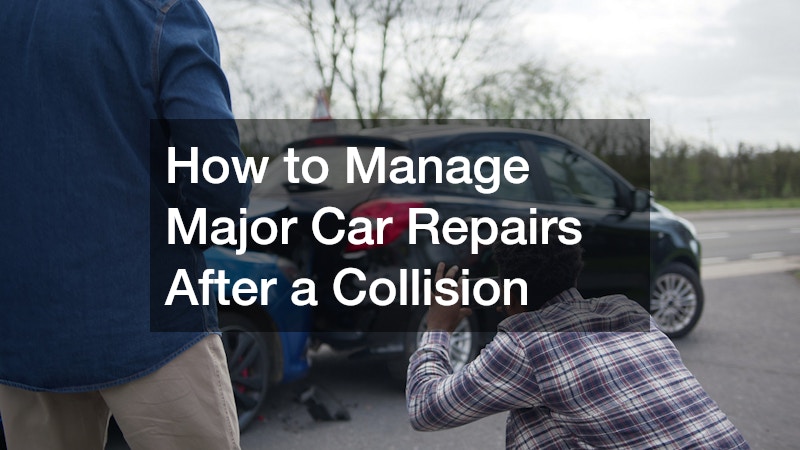
A vehicle collision is one of the most stressful events a driver can experience. In an instant, a routine commute transforms into a chaotic landscape of insurance claims, liability debates, and sudden transportation hurdles. Once the initial shock wears off and medical needs are met, you face a daunting mechanical reality: your vehicle has sustained major structural, cosmetic, or drivetrain damage, and getting it safely back on the road requires a complex series of decisions.
Managing major vehicle restoration after an accident is about far more than dropping your keys off at a garage and waiting for a phone call. Modern vehicles are intricate ecosystems where advanced computer networks, high-strength steel frames, and delicate engine components interact. A mistake in how repairs are directed, documented, or executed can lead to ongoing safety hazards, thousands of dollars in uncompensated devaluation, or premature mechanical failure down the line.
Taking control of this restoration process ensures that your vehicle is returned to pre-crash safety standards while protecting your financial interests. By following a structured approach—from immediate post-crash documentation to final quality assurance—you can navigate this challenging situation with confidence and clarity.
Post-Accident Documentation & Immediate Legal Steps
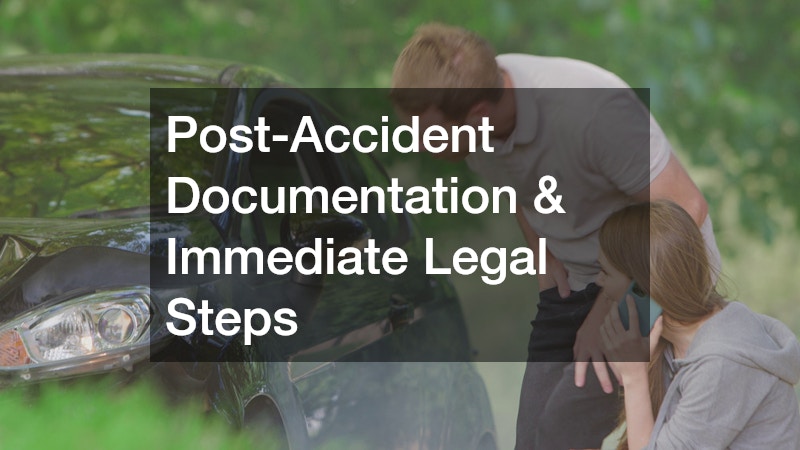
The hours and days immediately following a crash set the foundation for your vehicle’s physical and financial recovery. The actions you take before your vehicle ever reaches a hoist determine whether your insurance claim covers the full scope of damages or leaves you paying out-of-pocket for hidden mechanical failures.
Documenting Physical and Environmental Evidence
At the scene, or as soon as physically possible afterward, compile a detailed visual inventory of the vehicle damage. Photograph not just crushed body panels, but also undercarriage components, leaking fluids, deployed airbags, and bent suspension linkages. Capture wide-angle shots of the accident scene, including skid marks, road conditions, and traffic control devices. This visual trail proves crucial when adjusters try to claim that certain mechanical issues were pre-existing conditions rather than direct results of the impact.
Navigating Insurance Adjusters and Liability
Insurance adjusters are tasked with minimizing claims payouts. When an adjuster inspects your collision-damaged vehicle, they often focus on visible cosmetic damage while overlooking internal stress to components like axle shafts, transmission mounts, and steering racks. Never sign a full liability release or accept an initial settlement check until a complete tear-down inspection has been performed. Early estimates are almost always low, as true structural and mechanical damage only reveals itself once outer body panels are removed.
Protecting Your Financial and Personal Rights
When a crash involves significant structural damage, contested liability, or personal injury, managing the claims process alone can put you at a distinct disadvantage. Insurance companies employ teams of legal experts to limit their exposure. Retaining an experienced car accident attorney can safeguard your rights, ensuring that the insurance settlement accounts for genuine OEM replacement parts, comprehensive mechanical diagnostics, and the full market devaluation of your vehicle.
Preventing Secondary Towing Damage
Transporting a disabled vehicle requires careful execution. If your car suffered suspension or drivetrain damage, standard wheel-lift towing can tear apart transfer cases, ruin differential gears, or crack fragile aluminum oil pans. Always request a flatbed tow truck. Ensure the tow operator attaches winching straps to designated frame recovery points rather than wrapping cables around sensitive suspension arms, which can bend subframes and multiply your repair costs before the vehicle even reaches a bay.
Selecting the Right Repair and Frame Specialists
Not all automotive facilities are equipped to handle the complex structural demands of a post-collision restoration. Modern cars feature unibody construction, crumple zones designed to absorb kinetic energy, and high-strength steels that require precise heat controls and specialized pullers to realign.
Distinguishing Frame Work from Mechanical Work
Understanding where your car needs to go first is essential. Body shops specialize in metal shaping, structural alignment, panel replacement, and paint refinishing. General mechanical bays focus on engines, transmissions, electrical wiring, and cooling systems. After a major crash, your vehicle almost always requires a coordinated effort between structural body specialists and mechanical technicians.
Vetting Certification and Equipment Standards
When selecting a facility, verify that they possess industry-standard certifications such as I-CAR Gold Class or ASE (Automotive Service Excellence) credentials. Frame realignment requires computerized 3D laser measuring systems that compare your vehicle’s current geometry against factory blueprints down to the millimeter. Facilities lacking this technology rely on manual measurements, which can leave your vehicle with permanent track-alignment errors and compromised crash safety.
Choosing a Specialized Collision Facility
When your vehicle has suffered extensive outer panel damage, unibody shifting, or airbag deployment, sending it to a dedicated auto collision shop ensures access to the heavy-duty frame racks, paint booths, and structural welding equipment necessary to rebuild the chassis correctly. These specialized environments understand how to pull crumpled metal back to factory tolerances while maintaining structural integrity.
Addressing Structural Glass and Safety Sensors
Modern windshields are not merely wind deflectors; they provide up to 30 percent of a vehicle’s structural roof strength in a rollover crash and act as the backdrop for passenger airbag deployment. Furthermore, modern glass houses cameras and sensors for Advanced Driver Assistance Systems (ADAS) like lane-keep assist and automated emergency braking. Ensuring your vehicle receives certified auto glass repairs means the glass is structurally bonded with proper urethane adhesives and all embedded camera systems are digitally recalibrated before you drive away.
Evaluating Mechanical Damage and Powertrain Needs
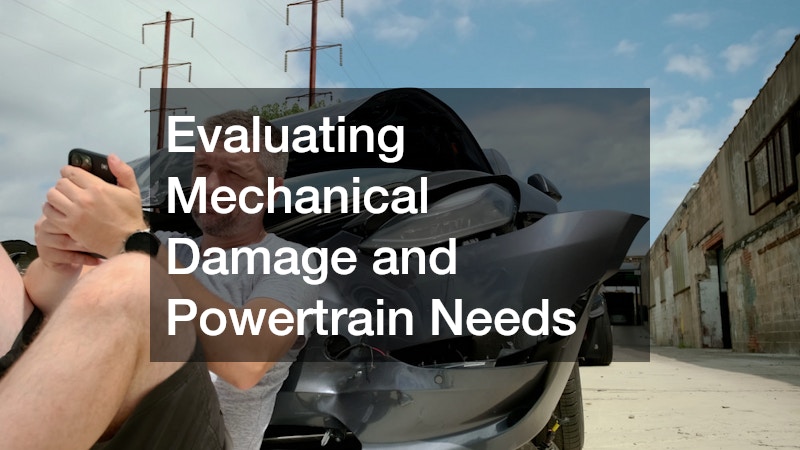
While body panels bear the visual brunt of an impact, the mechanical shockwaves generated during a crash travel throughout the entire vehicle. Sudden deceleration can snap engine mounts, crack cast-aluminum transmission cases, bend steering racks, and sever delicate wiring harnesses embedded deep within the engine bay.
Uncovering Hidden Impact Stress
Impact energy follows the path of least resistance. A front-end crash may push the radiator support back into the engine, puncturing fluid lines, bending belt pulleys, and cracking intake manifolds. Even rear-end collisions can push the driveshaft forward into the transmission, destroying internal seals, bending output shafts, and ruining transfer cases. A thorough post-crash evaluation must include a complete undercarriage inspection and a full scan of all onboard computer modules.
The Role of Comprehensive Diagnostic Scans
Modern vehicles contain dozens of Electronic Control Units (ECUs) that record fault codes during an impact. Many of these codes do not trigger a dashboard warning light right away. Diagnostic technicians perform pre-repair and post-repair system scans to identify hidden electrical faults, sensor disconnects, and sub-system failures caused by the crash impact.
Selecting Qualified Mechanical Technicians
Mechanical systems altered by physical impact require a different diagnostic approach than systems experiencing normal wear and tear. You need a skilled mechanic who understands how to trace stress fractures, check rotational balance on bent drivelines, and identify micro-cracks in cast components that could lead to catastrophic failure under normal operating pressures.
Ensuring System-Wide Integrity Checks
A certified auto mechanic will systematically pressure-test cooling loops, evaluate air conditioning systems for slow refrigerant leaks, conduct cylinder leak-down tests, and check oil for coolant contamination caused by cracked blocks or blown head gaskets. Skipping these foundational mechanical checks can result in engine overheating or sudden transmission failure weeks after you pick up the vehicle.
Navigating Specialty Repairs and Major Engine Overhauls
In severe collisions, the powertrain itself may sustain direct physical impact or suffer severe internal damage due to instant fluid loss while the engine is running at high RPMs during the crash. Managing these major mechanical failures requires deciding between partial repairs, complete replacements, or specialized remanufacturing.
Assessing Severe Internal Engine Damage
When a radiator or oil cooler ruptures during an impact, an engine can run out of vital fluids in seconds. If the engine continues running even briefly after the crash, extreme heat and friction can warp cylinder heads, score cylinder walls, and spin rod bearings. Additionally, water ingestion during a crash into standing water can cause hydrolock, bending connecting rods and shattering pistons.
Determining the Scope of Powertrain Overhauls
When impact forces or oil starvation ruin an engine’s internal rotating assembly, standard component replacement is no longer an option. In cases where the engine block remains structurally sound but internal components are destroyed, opting for a complete engine rebuild allows technicians to tear down the block, machine the surfaces back to factory tolerances, and install new pistons, rings, bearings, and gaskets.
Sourcing Quality Parts: OEM vs. Aftermarket
When rebuilding or replacing major mechanical assemblies, component selection is critical to safety and longevity:
- Original Equipment Manufacturer (OEM): Built directly by or for the vehicle manufacturer to exact factory specifications. They ensure perfect fitment, proper structural performance in future crashes, and preserve existing factory warranties.
- Aftermarket Parts: Produced by third-party companies. While often cheaper, quality varies wildly. Non-OEM structural or engine components may use lower-grade alloys that fail under stress or alter crumple zone performance.
- Recycled/LKQ (Like Kind and Quality): Used parts harvested from salvaged vehicles. While cost-effective for cosmetics, using salvaged mechanical or structural safety components carries inherent risks unless thoroughly inspected and pressure-tested.
Handling Brand-Specific Engineering Demands
European vehicles, luxury platforms, and high-performance cars present unique repair challenges following an accident. These vehicles frequently feature composite aluminum-steel unibodies, complex double-wishbone multi-link suspensions, and sensitive digital networks. For example, executing a specialized BMW auto repair demands factory-specific diagnostic software, specialized aluminum rivet tools, and precise torque-to-yield hardware that general facilities simply do not possess. BMW auto repair should be done by specialists.
Managing the Shop, Timelines, and Quality Assurance
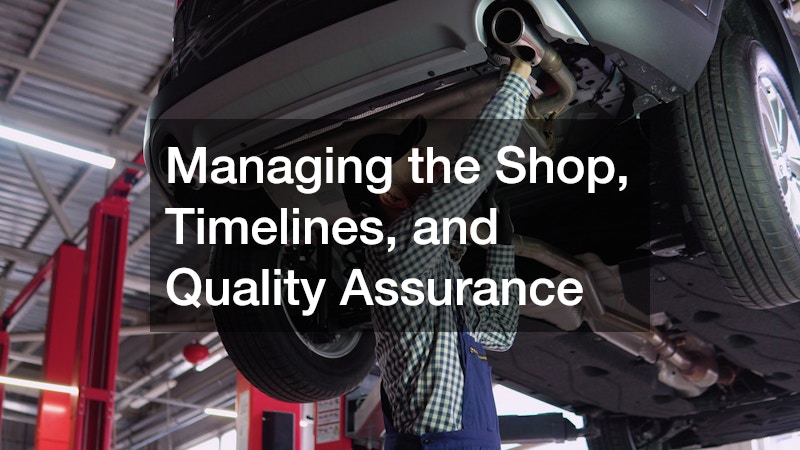
Restoring a heavily damaged vehicle is a multi-stage project that can stretch across weeks or even months. Active management on your part ensures that the project stays on schedule, supplemental repair costs are handled properly through insurance, and the final quality meets uncompromising safety standards.
Centralizing Repair Management
Rather than coordinating separately between frame shops, glass installers, and mechanical bays, working with a comprehensive local auto repair garage that handles cross-facility logistics streamlines communication. A dedicated service advisor serves as your single point of contact, providing consolidated updates and managing parts orders across all repair phases.
Understanding the Full Scope of Restoration Services
A collision repair is rarely a single isolated job. Restoring your vehicle to pre-crash condition requires a broad spectrum of integrated auto repair services, including 4-wheel alignment, ADAS sensor calibration, suspension rebuilds, air conditioning recharging, and complete paint refinishing. Missing any one of these services leaves the vehicle partially restored and potentially unsafe.
Navigating the Supplemental Claims Process
It is almost guaranteed that once the repair shop begins tearing down your vehicle, they will find additional hidden damage not visible on the initial insurance estimate. This requires a “supplemental claim.”
- The repair facility stops work on the affected area.
- Technicians photograph the newly discovered damage and write an itemized supplemental estimate.
- An insurance adjuster reviews and approves the supplement.
- New parts are ordered, which may introduce shipping delays.
Executing the Pre-Delivery Inspection
Never sign the final insurance release form or pay your deductible until you have thoroughly inspected the vehicle in daylight and completed a rigorous test drive. Use this comprehensive inspection protocol:
- Exterior Alignment: Check that all body panel gaps (doors, hood, trunk) are uniform and straight.
- Paint Finish: Inspect paint under direct sunlight to ensure seamless color matching, with no orange peel texture, overspray on glass, or dust inclusions.
- Functional Components: Open and close every door, window, hood, and trunk lid to verify smooth operation without binding.
- Electrical Systems: Test every light, turn signal, horn, backup camera, parking sensor, and infotainment screen.
- Undercarriage: Look under the vehicle with a flashlight for signs of fresh fluid drips, hanging heat shields, or unpainted metal surfaces susceptible to rust.
- Test Drive Evaluation: Drive the car at various speeds over smooth and rough pavement. Listen for clunks or rattles, check that the steering wheel is perfectly centered, verify that the vehicle tracks straight without pulling, and apply the brakes firmly to test for vibration or pulsing.
Using This Guide for Car Repairs
Managing major car repairs after a collision requires patience, attention to detail, and a clear understanding of the restoration process. By approaching the situation systematically—documenting evidence, selecting qualified specialists, overseeing mechanical overhauls, and conducting rigorous final inspections—you take full control of your vehicle’s recovery.
Vehicle restoration is not just about making a car look good on the surface; it is about restoring the engineered safety systems that protect you and your passengers. Demanding high standards at every stage ensures that your vehicle returns to the road fully functional, structurally sound, and ready for thousands of miles of safe, reliable driving.