Vehicle Safety Upgrades for Electric Cars and Modified Trucks
Vehicle safety involves more than maintaining brakes and replacing worn tires. Modern electric cars and modified trucks may have different equipment, operating requirements, and maintenance considerations that affect how safely they perform on the road. Choosing appropriate upgrades starts with understanding the vehicle’s design, identifying potential risks, and deciding which improvements offer practical benefits.
Electric vehicle owners may need to pay particular attention to charging equipment, high-voltage components, and electronic driver-assistance systems. Truck owners who change suspension height or install aftermarket accessories should consider how those modifications affect visibility, handling, and compatibility with existing safety features.
Safety also extends beyond individual vehicles. Residential communities, repair professionals, and drivers all play roles in preventing accidents and responding appropriately when problems occur.
Before investing in upgrades, review the manufacturer’s recommendations, applicable regulations, and your vehicle’s current condition. Professional guidance can help you distinguish useful improvements from modifications that introduce unnecessary risks, allowing you to make informed decisions about vehicle safety.
Evaluate Specialized Equipment Before Adding Unfamiliar Components
Not every piece of industrial equipment belongs in an automotive safety upgrade. Before purchasing unfamiliar components, identify their intended application and determine whether they have a legitimate role in your vehicle or maintenance setup.
Rotary feeders are specialized devices generally used to control bulk materials in industrial processing systems. They are not standard automotive safety components. Understanding this distinction helps drivers evaluate technical specifications and avoid assuming that equipment marketed for industrial use is suitable for vehicles.
Prioritize components designed for their intended application. Improvised installations can introduce mechanical, electrical, or operational problems, particularly when equipment interacts with safety-critical systems.
Before purchasing unfamiliar equipment:
- Read the manufacturer’s documentation.
- Confirm whether the component is designed for automotive use.
- Ask a qualified technician about compatibility.
- Avoid modifying safety systems without appropriate guidance.
- Check installation and maintenance requirements.
Understanding equipment specifications helps prevent unsuitable purchases and keeps safety improvements focused on genuine automotive needs.
Improve Neighborhood Awareness With Clear Vehicle Alerts
Vehicle safety also depends on how drivers interact with pedestrians, neighbors, and shared residential spaces. Communities with narrow roads, busy entrances, or frequent visitor traffic may benefit from better communication about vehicle movement and potential hazards.
A vehicle alert system for HOAs may help homeowners associations communicate traffic concerns, including unauthorized access, congestion, or reported speeding. The appropriate system depends on the community’s layout, security arrangements, and communication needs.
Communities should establish clear procedures for reviewing reports and protecting residents’ privacy. Alerts should provide useful information without encouraging residents to confront drivers or respond to situations beyond their authority.
Practical ways to improve neighborhood safety include:
- Establishing procedures for reporting dangerous driving.
- Posting clear speed limits and pedestrian warnings.
- Keeping entrances and intersections unobstructed.
- Sharing traffic updates through approved channels.
- Contacting emergency services when an immediate threat exists.
Drivers can also contribute by slowing down near homes, watching for pedestrians, and following posted restrictions. Consistent communication and responsible driving make shared spaces safer.
Choose Qualified Repair Professionals After Modifications or Collisions
Collision damage can affect more than a vehicle’s appearance. Impacts may damage structural components, sensors, electrical connections, or safety systems that are not immediately visible. Modified vehicles may require additional attention because aftermarket parts can change repair requirements.
When comparing local auto body shops, ask whether technicians have experience with your vehicle’s make, model, and modifications. Electric vehicles may require specialized training when repairs involve high-voltage components. Vehicles with driver-assistance features may also need sensor calibration after certain repairs.
Request a written estimate explaining the proposed work, replacement parts, and inspections. Ask how the shop will verify that safety-related systems operate correctly before returning the vehicle.
Before authorizing repairs:
- Confirm experience with electric or modified vehicles.
- Ask whether manufacturer repair procedures will be followed.
- Clarify parts, labor, and calibration costs.
- Photograph visible damage and retain documentation.
- Review completed work and outstanding concerns.
Do not assume a vehicle is safe simply because damaged panels look repaired. Have potentially affected steering, braking, electrical, or structural components professionally assessed before driving.
Balance Window Tinting With Visibility and Legal Requirements

Window tint can reduce glare and sunlight exposure, but excessive darkness may make it harder to see pedestrians, cyclists, and other vehicles. Safety should guide tint selection rather than appearance alone.
Before arranging auto tinting, check the laws governing visible light transmission and which windows may legally be tinted in your state. Requirements can differ for front side windows, rear windows, and windshields.
Consider how tint affects visibility at night and during rain. Some vehicles also have cameras or sensors near the windshield that may be affected by unsuitable materials or installation.
Use these guidelines when selecting tint:
- Check current state requirements.
- Evaluate visibility in different lighting conditions.
- Choose materials compatible with the vehicle’s glass.
- Use an installer familiar with your vehicle.
- Inspect the finished work for bubbles or distortion.
Tint should complement, not compromise, safe driving. If visibility becomes noticeably worse after installation, have the material assessed and consider a more suitable option.
Inspect Glass for Damage That Could Affect Visibility
Clear glass helps drivers identify hazards early and respond to changing road conditions. Small chips can spread, while cracks and distortion may interfere with the driver’s view. Have damage assessed promptly, especially when it affects the area directly in front of you.
Windshields can contribute to vehicle structural performance and work alongside airbags and driver-assistance systems. Depending on the vehicle, cameras or sensors mounted near the glass may require recalibration after replacement.
Inspect your glass regularly for chips, spreading cracks, scratches, and persistent visibility problems. Worn wiper blades can also leave streaks or fail to clear water effectively.
Make glass inspections part of routine maintenance:
- Examine the windshield for chips and cracks.
- Replace worn wiper blades.
- Clean glass inside and outside.
- Seek professional assessment for significant damage.
- Ask whether sensor recalibration is necessary after replacement.
Avoid delaying repairs when damage obstructs your view or raises structural concerns. A qualified professional can determine whether repair or replacement is appropriate.
Understand the Limits of Emergency Lighting and Warning Equipment
Vehicle lighting helps drivers communicate their intentions and remain visible, but equipment must suit the vehicle and its intended use. Unauthorized or confusing lights can mislead motorists, create glare, and interfere with emergency response.
Police car lights are associated with authorized emergency vehicles and are subject to legal restrictions. Private drivers should not assume they can install or operate similar colored or flashing lights simply because the equipment is available for purchase. Check local laws before adding specialized lighting.
Most drivers benefit more from maintaining standard lighting systems than installing emergency-style accessories. Functional headlights, brake lights, turn signals, and hazard lights help communicate vehicle movements.
Review your lighting setup by checking:
- Whether headlights illuminate the road adequately.
- Whether brake lights and turn signals work correctly.
- Whether headlight aim creates excessive glare.
- Whether aftermarket accessories comply with local laws.
- Whether damaged lenses or electrical connections need repair.
Use approved equipment designed for your vehicle. Clear, predictable lighting helps other road users understand what your vehicle is doing.
Establish Safe Charging Habits for Electric Vehicles
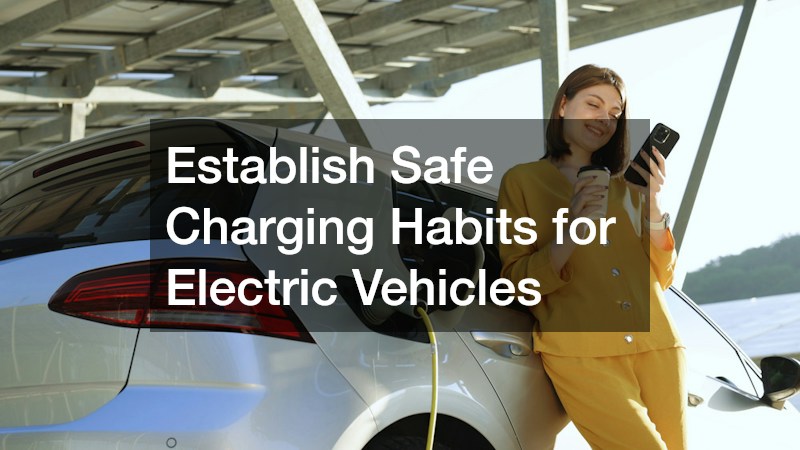
Electric vehicles require charging equipment compatible with the vehicle and available electrical supply. A safe setup starts with understanding manufacturer instructions, selecting appropriate equipment, and meeting applicable electrical requirements.
Planning ev charging at home involves more than choosing a convenient location. The charging circuit, outlet or charging unit, cable length, and electrical capacity all matter. A qualified electrician can determine whether the existing system is suitable and identify necessary upgrades.
Inspect charging equipment regularly. Frayed cables, damaged connectors, unusual heat, and persistent error messages should not be ignored. Follow manufacturer instructions if a problem occurs, and stop using damaged equipment until it has been assessed.
Adopt these habits:
- Use compatible equipment from a reputable supplier.
- Arrange professional installation when required.
- Inspect cables and connectors for damage.
- Keep equipment within its rated operating conditions.
- Follow vehicle instructions for charging and battery warnings.
Never attempt high-voltage repairs without appropriate training. Good charging practices support reliable operation while reducing avoidable electrical hazards.
Check Suspension Changes Before Driving a Modified Truck
Changing a truck’s ride height can affect more than its appearance. Suspension modifications may alter steering geometry, alignment, tire clearance, headlight aim, and how the vehicle responds to braking or cornering.
Leveling kits adjust the difference between a truck’s front and rear ride height, but compatibility depends on the suspension design and intended use. Component quality and installation also matter, particularly when the truck is used for towing or carrying heavy loads.
Consult a qualified installer before selecting a kit. Discuss potential effects on factory components, tire choices, handling, and applicable vehicle regulations. Have the truck inspected and aligned after installation as recommended.
Before driving, check:
- Tire clearance during steering and suspension movement.
- Alignment and steering operation.
- Headlight aim after the height change.
- Suspension connections and fasteners.
- Unusual noises, rubbing, or changes in handling.
If the truck pulls to one side, vibrates, or responds differently after modification, arrange an inspection. A vehicle that looks level is not necessarily operating correctly.
Prepare a Response Plan for Accidents Involving Modified Vehicles
Even careful drivers can experience collisions. After an accident, prioritize immediate safety, move away from traffic when possible, and contact emergency services when injuries or dangerous conditions require assistance.
A car accident lawyer may explain legal options when an incident involves injuries, disputed responsibility, insurance complications, or questions about vehicle modifications. The relevance of legal advice depends on the circumstances, so preserve accurate information rather than making assumptions about fault.
Documentation can be especially useful when aftermarket equipment or recent repairs may be relevant. Keep installation records, maintenance invoices, photographs, and information about vehicle changes. Avoid altering or discarding potentially relevant evidence before discussing the situation with your insurer or an appropriate professional.
After an incident:
- Record the location, time, and circumstances.
- Photograph damage and road conditions when safe.
- Exchange required information with the other driver.
- Collect witness contact details when available.
- Notify your insurer and retain communications.
Seek medical evaluation when an injury may have occurred, even if symptoms are not immediately obvious. Accurate records can help you manage the practical and legal issues that follow.
Upgrade In-Car Audio Without Creating New Hazards

Audio upgrades can improve entertainment and communication, but installations should not interfere with driver attention or essential vehicle functions. Poorly routed wiring, inaccessible controls, and excessive sound levels can introduce avoidable hazards.
When comparing local car audio shops, ask about experience with your vehicle’s electrical systems and factory electronics. Electric cars and newer trucks may integrate audio equipment with displays, microphones, cameras, and other systems. An appropriate installation should preserve those functions.
Consider how you use audio while driving. Excessive volume can mask horns, sirens, and other warning sounds. Controls that require prolonged attention can also distract you from the road.
Before approving an upgrade:
- Confirm compatibility with factory electronics.
- Ask how wiring will be secured and protected.
- Choose controls that are easy to operate.
- Keep volume low enough to hear external warnings.
- Test the system and related vehicle functions afterward.
Professional installation is particularly useful when upgrades involve complex electronics. A well-planned system should improve the listening experience without compromising awareness or safety.
Vehicle safety upgrades are most effective when they address specific risks and remain compatible with the vehicle’s design. Electric cars and modified trucks can have different requirements, making careful equipment selection, qualified installation, and routine inspections particularly important.
Focus on improvements that support visibility, predictable handling, reliable charging, and effective communication with other road users. Check applicable laws before changing lighting or window tint, and evaluate suspension modifications for their effects on steering and braking. After collisions, document damage and obtain appropriate professional assessments before assuming the vehicle is ready to drive.
Safety also depends on everyday habits. Inspect equipment regularly, respond to warning signs promptly, and keep records of repairs and modifications. If a component affects a critical vehicle system, seek guidance from a qualified professional rather than relying on guesswork.
Ultimately, a useful upgrade should solve a real problem without creating new ones. Thoughtful decisions can help drivers maintain vehicle performance, protect themselves and others, and prepare for unexpected situations on the road.