The Complete Guide to Car Maintenance and Repair
The Complete Guide to Car Maintenance and Repair
Owning a vehicle provides convenience, independence, and mobility. Whether you rely on your car for daily commuting, family transportation, or long road trips, keeping it in excellent condition is essential. Regular vehicle maintenance not only extends the life of your car but also improves safety, fuel efficiency, and overall performance.
Many drivers wait until something goes wrong before scheduling service. However, much like maintaining a home, preventative care for your vehicle helps reduce the risk of expensive breakdowns and repairs. Understanding how different automotive systems work—and when to service them—can make a significant difference in how long your vehicle lasts.
This guide explores important areas of vehicle ownership, including preventative maintenance, glass repair, collision repair, diesel engine care, accessibility vehicles, locksmith services, and more.
Why Preventative Vehicle Maintenance Matters
Preventative maintenance is the foundation of responsible vehicle ownership. Over time, normal driving conditions cause wear on parts such as brakes, belts, filters, and fluids. Regular inspections help identify small issues before they turn into major mechanical failures. Drivers who take a proactive approach to maintenance often experience fewer breakdowns, better fuel efficiency, and a safer driving experience overall.
Many vehicle systems rely on precise timing and consistent lubrication to operate correctly. When maintenance is neglected, components can wear out faster or fail unexpectedly. For example, worn brake pads may reduce stopping power, while dirty engine oil can lead to increased friction inside the engine. These types of problems may begin small but can quickly become serious if ignored.
Common preventative maintenance tasks include:
- Oil changes
- Brake inspections
- Tire rotations
- Battery testing
- Fluid checks
- Filter replacements
Oil changes are one of the most important maintenance tasks. Engine oil lubricates moving parts, reduces heat, and prevents buildup of debris inside the engine. Over time, oil becomes contaminated and loses its effectiveness. Replacing it regularly helps protect engine components and extend the life of the vehicle.
Brake inspections are equally important because braking systems directly affect driver safety. During inspections, technicians check brake pads, rotors, and hydraulic components to ensure the system is functioning properly. Replacing worn brake pads early prevents damage to rotors and helps maintain safe stopping performance.
Tire rotations also play an important role in vehicle maintenance. Tires naturally wear unevenly depending on their position on the vehicle. Rotating them regularly helps ensure even wear, improves traction, and extends the lifespan of the tires. Proper tire maintenance also contributes to better fuel efficiency.
Battery testing ensures that the electrical system remains reliable. Car batteries weaken over time, especially in extreme temperatures. Regular testing helps drivers avoid unexpected battery failure and starting problems.
Fluids are another essential part of preventative maintenance. Vehicles rely on several fluids to function properly, including transmission fluid, coolant, brake fluid, and power steering fluid. Checking and replacing these fluids when necessary helps prevent overheating, transmission damage, and other costly repairs.
Scheduling routine auto repair services helps keep engines running smoothly while reducing the likelihood of unexpected breakdowns. Professional technicians can inspect critical components and recommend repairs before problems worsen. Many repair shops also perform multi-point inspections that check important systems such as brakes, suspension, and electrical components.
Preventative maintenance also helps preserve vehicle value. Cars that receive consistent servicing often last longer and maintain higher resale prices. Buyers are more confident purchasing vehicles with documented maintenance histories because they know the car has been properly cared for.
Another benefit of preventative maintenance is improved fuel efficiency. When engines run smoothly and components operate properly, vehicles consume less fuel. This saves drivers money over time while also reducing environmental impact.
The Importance of Quality Car Repair
Even with proper maintenance, vehicles eventually need repairs. Engines contain hundreds of moving parts, and everyday driving creates stress on these components. Road conditions, weather exposure, and normal aging can all contribute to mechanical wear.
When warning signs appear—such as strange noises, warning lights, reduced fuel efficiency, or rough engine performance—it may be time to schedule car repair services. These warning signs should never be ignored because they often indicate underlying mechanical problems.
For example, a knocking noise from the engine may signal internal wear, while squealing brakes may indicate worn brake pads. Vibrations while driving could point to suspension problems, tire imbalance, or alignment issues. Dashboard warning lights often appear when sensors detect irregular performance in key vehicle systems.
Experienced mechanics diagnose issues with specialized equipment and technical knowledge. Modern vehicles contain advanced computer systems that monitor engine performance and emissions. Technicians use diagnostic tools to communicate with the vehicle’s onboard computer and identify potential problems quickly.
Common repair services may include:
- Engine diagnostics
- Transmission repairs
- Brake replacements
- Suspension repairs
- Cooling system service
Engine diagnostics help identify problems related to sensors, fuel systems, or ignition components. Transmission repairs address issues with shifting, slipping gears, or fluid leaks. Brake replacements restore proper stopping performance and improve driver safety.
Suspension repairs help maintain vehicle stability and ride comfort. Worn shocks or struts can cause uneven tire wear and poor handling. Cooling system service prevents engines from overheating by ensuring that radiators, hoses, and coolant levels function correctly.
Ignoring these symptoms can cause small problems to escalate into more serious mechanical failures. Addressing repairs early often saves both time and money. For example, replacing worn brake pads is much less expensive than replacing damaged rotors or brake calipers caused by prolonged wear.
Quality repairs also help extend the overall lifespan of the vehicle. By addressing mechanical issues promptly and relying on skilled technicians, drivers can keep their vehicles performing reliably for many years.
Collision Damage and Auto Body Repair
Accidents can happen even to careful drivers. Whether it is a minor fender bender in a parking lot or a more serious roadway collision, vehicle damage can occur unexpectedly. When vehicles are involved in accidents, the damage may range from small cosmetic dents to major structural issues that affect safety and drivability.
A professional auto body shop can restore damaged vehicles and return them to safe driving condition. These facilities specialize in repairing the exterior and structural components of vehicles after collisions. Skilled technicians evaluate the damage, develop a repair plan, and use specialized tools to restore the vehicle as closely as possible to its original condition.
Auto body technicians perform a wide range of repairs. They remove dents, replace damaged panels, repair structural components, and refinish paint so that repaired areas match the original color and finish of the vehicle. Modern repair shops also use computerized measuring systems to ensure that the vehicle’s frame and structural components are properly aligned.
Common collision repair services include:
- Frame straightening
- Panel replacement
- Dent removal
- Paint refinishing
- Structural repairs
Frame straightening is one of the most important steps in collision repair. When a vehicle experiences a strong impact, the frame may become bent or misaligned. Repair specialists use hydraulic equipment and precision measuring tools to carefully restore the frame to its proper shape.
Panel replacement is another common repair. Damaged doors, fenders, bumpers, or hoods are removed and replaced with new parts that meet manufacturer specifications. Once installed, technicians ensure that the new panels align correctly with the rest of the vehicle.
Some repair facilities specialize specifically in auto body restoration, ensuring that damaged vehicles look and perform like new again. These specialists often work on everything from everyday vehicles to classic cars and luxury models that require extra attention to detail.
Advanced facilities also offer detailed auto body service including paint correction, scratch removal, and restoration of exterior components. Paint correction techniques remove swirl marks, fading, and surface imperfections to restore a vehicle’s original shine.
Choosing experienced body repair professionals ensures that your vehicle maintains both structural safety and aesthetic quality after an accident. Quality repairs not only improve the appearance of the vehicle but also help ensure that important safety features continue to function properly.

Windshield Repair and Glass Safety
Your vehicle’s windshield plays a critical role in both visibility and safety. While it may seem like a simple piece of glass, the windshield is actually an important structural component of the vehicle. It helps support the roof during accidents and works with airbags to protect passengers.
Even small chips or cracks can weaken the windshield and reduce its ability to protect occupants during a collision. Damage can occur from flying debris, gravel on highways, sudden temperature changes, or minor impacts.
When windshield damage occurs, it is important to seek local windshield service quickly. Professional technicians can evaluate the damage and determine whether the glass can be repaired or if replacement is necessary.
Small chips can often be repaired using specialized resin that fills the damaged area and restores structural strength. Repairing chips early prevents them from spreading into larger cracks that require full replacement.
However, when damage becomes too severe, full local auto glass replacement may be necessary. Large cracks, damage along the edge of the windshield, or multiple impact points typically require replacing the entire windshield.
Auto glass technicians use specialized adhesives and installation techniques to secure the windshield properly. These adhesives must cure correctly in order to maintain the structural integrity of the vehicle’s cabin. Proper installation is essential for ensuring that airbags deploy correctly and that the windshield remains secure during accidents.
Drivers should never ignore windshield damage. Even minor cracks can expand quickly due to temperature changes, road vibrations, or additional impact. Addressing glass damage promptly protects both driver visibility and overall vehicle safety.
Diesel Engines and Specialized Vehicle Maintenance
Diesel-powered vehicles require specialized knowledge and maintenance procedures. These engines are commonly used in trucks, commercial vehicles, and heavy-duty transportation because they provide strong torque and durability.
Professional diesel service technicians understand the unique needs of diesel engines and can perform services such as:
- Fuel injection system repairs
- Turbocharger maintenance
- Diesel engine diagnostics
- Exhaust system inspections
Diesel engines often last longer than gasoline engines when maintained properly. However, neglecting service can lead to costly repairs and reduced performance.
Vehicle Accessibility and Mobility Solutions
Transportation should be accessible for everyone. Mobility vehicles and accessibility modifications allow individuals with disabilities to travel comfortably and safely.
One common solution is a handicap van equipped with wheelchair ramps, lifts, and specialized seating configurations.
These vehicles provide independence for individuals who rely on wheelchairs or mobility aids. Accessibility modifications may include:
- Automatic wheelchair ramps
- Lowered vehicle floors
- Hand-operated driving controls
- Adjustable seating systems
Mobility conversions make transportation more inclusive and allow families to travel together with greater convenience.
Automotive Locksmith Services
Few situations are more frustrating than being locked out of your car. Lost keys, broken key fobs, or malfunctioning locks can prevent drivers from accessing their vehicles.
An automotive locksmith can quickly resolve these issues by unlocking vehicles, replacing lost keys, or programming new key fobs.
Modern vehicles use advanced electronic keys and security systems, which require specialized tools and programming knowledge. Locksmith professionals have the equipment necessary to safely access locked vehicles without causing damage.
They can also create replacement keys for drivers who have lost their originals.
Signs Your Car Needs Immediate Attention
Recognizing warning signs early can prevent major mechanical problems. Drivers should schedule inspections when they notice symptoms such as:
- Unusual engine noises
- Vibrations while driving
- Burning smells
- Warning lights on the dashboard
- Reduced braking performance
Ignoring these warning signs may allow small mechanical issues to worsen over time.
Regular inspections and servicing ensure that problems are identified early and corrected before they cause larger failures.
How Technology Is Changing Car Maintenance
Automotive technology has advanced dramatically in recent years. Modern vehicles now include computer systems that monitor engine performance, emissions, fuel efficiency, and safety features.
Diagnostic tools allow mechanics to quickly identify problems through onboard computer systems. These tools help technicians detect issues with sensors, engine components, and electrical systems.
Some vehicles also include remote monitoring systems that alert drivers when maintenance is required.
These advancements make it easier than ever to keep vehicles running efficiently and safely.
Building a Long-Term Vehicle Maintenance Plan
Creating a maintenance schedule helps drivers stay organized and avoid unexpected breakdowns.
A simple maintenance plan might include:
Monthly checks
- Tire pressure inspection
- Fluid level checks
Quarterly maintenance
- Oil changes
- Brake inspections
Annual service
- Battery testing
- Engine diagnostics
- Cooling system maintenance
Following manufacturer recommendations ensures that vehicles receive the service they need to remain reliable.
Final Thoughts on Responsible Vehicle Ownership
Cars play an essential role in everyday life. From commuting to work to transporting families and traveling across the country, reliable vehicles help keep life moving.
By focusing on preventative maintenance, addressing repairs quickly, and working with experienced automotive professionals, drivers can extend the life of their vehicles and reduce long-term costs.
Whether you need routine maintenance, collision repair, glass replacement, locksmith assistance, or accessibility upgrades, working with trusted professionals helps ensure that your vehicle remains safe, reliable, and ready for the road ahead.
The Complete Guide to Car Maintenance and Repair
Owning a vehicle provides convenience, independence, and mobility. Whether you rely on your car for daily commuting, family transportation, or long road trips, keeping it in excellent condition is essential. Regular vehicle maintenance not only extends the life of your car but also improves safety, fuel efficiency, and overall performance.
Many drivers wait until something goes wrong before scheduling service. However, much like maintaining a home, preventative care for your vehicle helps reduce the risk of expensive breakdowns and repairs. Understanding how different automotive systems work—and when to service them—can make a significant difference in how long your vehicle lasts.
This guide explores important areas of vehicle ownership, including preventative maintenance, glass repair, collision repair, diesel engine care, accessibility vehicles, locksmith services, and more.
Why Preventative Vehicle Maintenance Matters
reventative maintenance is the foundation of responsible vehicle ownership. Over time, normal driving conditions cause wear on parts such as brakes, belts, filters, and fluids. Regular inspections help identify small issues before they turn into major mechanical failures. Drivers who take a proactive approach to maintenance often experience fewer breakdowns, better fuel efficiency, and a safer driving experience overall.
Many vehicle systems rely on precise timing and consistent lubrication to operate correctly. When maintenance is neglected, components can wear out faster or fail unexpectedly. For example, worn brake pads may reduce stopping power, while dirty engine oil can lead to increased friction inside the engine. These types of problems may begin small but can quickly become serious if ignored.
Common preventative maintenance tasks include:
- Oil changes
- Brake inspections
- Tire rotations
- Battery testing
- Fluid checks
- Filter replacements
Oil changes are one of the most important maintenance tasks. Engine oil lubricates moving parts, reduces heat, and prevents buildup of debris inside the engine. Over time, oil becomes contaminated and loses its effectiveness. Replacing it regularly helps protect engine components and extend the life of the vehicle.
Brake inspections are equally important because braking systems directly affect driver safety. During inspections, technicians check brake pads, rotors, and hydraulic components to ensure the system is functioning properly. Replacing worn brake pads early prevents damage to rotors and helps maintain safe stopping performance.
Tire rotations also play an important role in vehicle maintenance. Tires naturally wear unevenly depending on their position on the vehicle. Rotating them regularly helps ensure even wear, improves traction, and extends the lifespan of the tires. Proper tire maintenance also contributes to better fuel efficiency.
Battery testing ensures that the electrical system remains reliable. Car batteries weaken over time, especially in extreme temperatures. Regular testing helps drivers avoid unexpected battery failure and starting problems.
Fluids are another essential part of preventative maintenance. Vehicles rely on several fluids to function properly, including transmission fluid, coolant, brake fluid, and power steering fluid. Checking and replacing these fluids when necessary helps prevent overheating, transmission damage, and other costly repairs.
Scheduling routine auto repair services helps keep engines running smoothly while reducing the likelihood of unexpected breakdowns. Professional technicians can inspect critical components and recommend repairs before problems worsen. Many repair shops also perform multi-point inspections that check important systems such as brakes, suspension, and electrical components.
Preventative maintenance also helps preserve vehicle value. Cars that receive consistent servicing often last longer and maintain higher resale prices. Buyers are more confident purchasing vehicles with documented maintenance histories because they know the car has been properly cared for.
Another benefit of preventative maintenance is improved fuel efficiency. When engines run smoothly and components operate properly, vehicles consume less fuel. This saves drivers money over time while also reducing environmental impact.
The Importance of Quality Car Repair
Even with proper maintenance, vehicles eventually need repairs. Engines contain hundreds of moving parts, and everyday driving creates stress on these components. Road conditions, weather exposure, and normal aging can all contribute to mechanical wear.
When warning signs appear—such as strange noises, warning lights, reduced fuel efficiency, or rough engine performance—it may be time to schedule car repair services. These warning signs should never be ignored because they often indicate underlying mechanical problems.
For example, a knocking noise from the engine may signal internal wear, while squealing brakes may indicate worn brake pads. Vibrations while driving could point to suspension problems, tire imbalance, or alignment issues. Dashboard warning lights often appear when sensors detect irregular performance in key vehicle systems.
Experienced mechanics diagnose issues with specialized equipment and technical knowledge. Modern vehicles contain advanced computer systems that monitor engine performance and emissions. Technicians use diagnostic tools to communicate with the vehicle’s onboard computer and identify potential problems quickly.
Common repair services may include:
- Engine diagnostics
- Transmission repairs
- Brake replacements
- Suspension repairs
- Cooling system service
Engine diagnostics help identify problems related to sensors, fuel systems, or ignition components. Transmission repairs address issues with shifting, slipping gears, or fluid leaks. Brake replacements restore proper stopping performance and improve driver safety.
Suspension repairs help maintain vehicle stability and ride comfort. Worn shocks or struts can cause uneven tire wear and poor handling. Cooling system service prevents engines from overheating by ensuring that radiators, hoses, and coolant levels function correctly.
Ignoring these symptoms can cause small problems to escalate into more serious mechanical failures. Addressing repairs early often saves both time and money. For example, replacing worn brake pads is much less expensive than replacing damaged rotors or brake calipers caused by prolonged wear.
Quality repairs also help extend the overall lifespan of the vehicle. By addressing mechanical issues promptly and relying on skilled technicians, drivers can keep their vehicles performing reliably for many years.
Collision Damage and Auto Body Repair
Accidents can happen even to careful drivers. Whether it is a minor fender bender in a parking lot or a more serious roadway collision, vehicle damage can occur unexpectedly. When vehicles are involved in accidents, the damage may range from small cosmetic dents to major structural issues that affect safety and drivability.
A professional auto body shop can restore damaged vehicles and return them to safe driving condition. These facilities specialize in repairing the exterior and structural components of vehicles after collisions. Skilled technicians evaluate the damage, develop a repair plan, and use specialized tools to restore the vehicle as closely as possible to its original condition.
Auto body technicians perform a wide range of repairs. They remove dents, replace damaged panels, repair structural components, and refinish paint so that repaired areas match the original color and finish of the vehicle. Modern repair shops also use computerized measuring systems to ensure that the vehicle’s frame and structural components are properly aligned.
Common collision repair services include:
- Frame straightening
- Panel replacement
- Dent removal
- Paint refinishing
- Structural repairs
Frame straightening is one of the most important steps in collision repair. When a vehicle experiences a strong impact, the frame may become bent or misaligned. Repair specialists use hydraulic equipment and precision measuring tools to carefully restore the frame to its proper shape.
Panel replacement is another common repair. Damaged doors, fenders, bumpers, or hoods are removed and replaced with new parts that meet manufacturer specifications. Once installed, technicians ensure that the new panels align correctly with the rest of the vehicle.
Some repair facilities specialize specifically in auto body restoration, ensuring that damaged vehicles look and perform like new again. These specialists often work on everything from everyday vehicles to classic cars and luxury models that require extra attention to detail.
Advanced facilities also offer detailed auto body service including paint correction, scratch removal, and restoration of exterior components. Paint correction techniques remove swirl marks, fading, and surface imperfections to restore a vehicle’s original shine.
Choosing experienced body repair professionals ensures that your vehicle maintains both structural safety and aesthetic quality after an accident. Quality repairs not only improve the appearance of the vehicle but also help ensure that important safety features continue to function properly.
Windshield Repair and Glass Safety
Your vehicle’s windshield plays a critical role in both visibility and safety. While it may seem like a simple piece of glass, the windshield is actually an important structural component of the vehicle. It helps support the roof during accidents and works with airbags to protect passengers.
Even small chips or cracks can weaken the windshield and reduce its ability to protect occupants during a collision. Damage can occur from flying debris, gravel on highways, sudden temperature changes, or minor impacts.
When windshield damage occurs, it is important to seek local windshield service quickly. Professional technicians can evaluate the damage and determine whether the glass can be repaired or if replacement is necessary.
Small chips can often be repaired using specialized resin that fills the damaged area and restores structural strength. Repairing chips early prevents them from spreading into larger cracks that require full replacement.
However, when damage becomes too severe, full local auto glass replacement may be necessary. Large cracks, damage along the edge of the windshield, or multiple impact points typically require replacing the entire windshield.
Auto glass technicians use specialized adhesives and installation techniques to secure the windshield properly. These adhesives must cure correctly in order to maintain the structural integrity of the vehicle’s cabin. Proper installation is essential for ensuring that airbags deploy correctly and that the windshield remains secure during accidents.
Drivers should never ignore windshield damage. Even minor cracks can expand quickly due to temperature changes, road vibrations, or additional impact. Addressing glass damage promptly protects both driver visibility and overall vehicle safety.
Diesel Engines and Specialized Vehicle Maintenance
Diesel-powered vehicles require specialized knowledge and maintenance procedures. These engines are commonly used in trucks, commercial vehicles, and heavy-duty transportation because they provide strong torque and durability.
Professional diesel service technicians understand the unique needs of diesel engines and can perform services such as:
- Fuel injection system repairs
- Turbocharger maintenance
- Diesel engine diagnostics
- Exhaust system inspections
Diesel engines often last longer than gasoline engines when maintained properly. However, neglecting service can lead to costly repairs and reduced performance.
Vehicle Accessibility and Mobility Solutions
Transportation should be accessible for everyone. Mobility vehicles and accessibility modifications allow individuals with disabilities to travel comfortably and safely.
One common solution is a handicap van equipped with wheelchair ramps, lifts, and specialized seating configurations.
These vehicles provide independence for individuals who rely on wheelchairs or mobility aids. Accessibility modifications may include:
- Automatic wheelchair ramps
- Lowered vehicle floors
- Hand-operated driving controls
- Adjustable seating systems
Mobility conversions make transportation more inclusive and allow families to travel together with greater convenience.
Automotive Locksmith Services
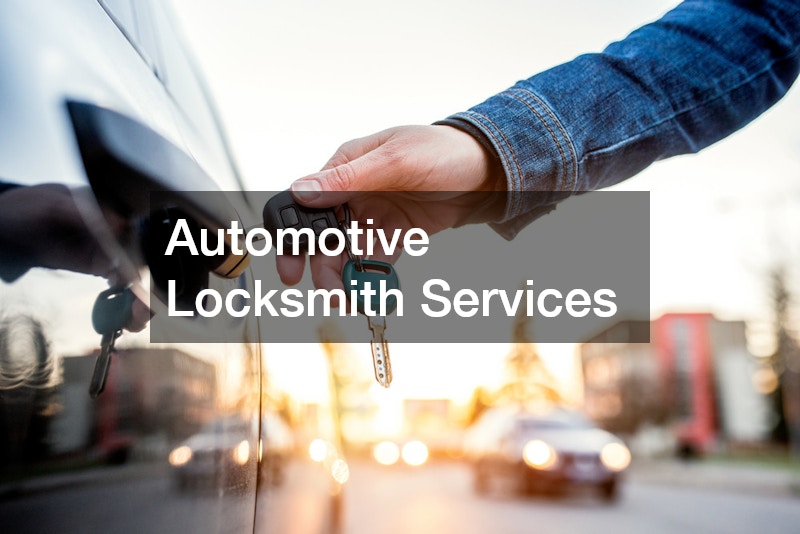
Few situations are more frustrating than being locked out of your car. Lost keys, broken key fobs, or malfunctioning locks can prevent drivers from accessing their vehicles.
An automotive locksmith can quickly resolve these issues by unlocking vehicles, replacing lost keys, or programming new key fobs.
Modern vehicles use advanced electronic keys and security systems, which require specialized tools and programming knowledge. Locksmith professionals have the equipment necessary to safely access locked vehicles without causing damage.
They can also create replacement keys for drivers who have lost their originals.
Signs Your Car Needs Immediate Attention
Recognizing warning signs early can prevent major mechanical problems. Drivers should schedule inspections when they notice symptoms such as:
- Unusual engine noises
- Vibrations while driving
- Burning smells
- Warning lights on the dashboard
- Reduced braking performance
Ignoring these warning signs may allow small mechanical issues to worsen over time.
Regular inspections and servicing ensure that problems are identified early and corrected before they cause larger failures.
How Technology Is Changing Car Maintenance
Automotive technology has advanced dramatically in recent years. Modern vehicles now include computer systems that monitor engine performance, emissions, fuel efficiency, and safety features.
Diagnostic tools allow mechanics to quickly identify problems through onboard computer systems. These tools help technicians detect issues with sensors, engine components, and electrical systems.
Some vehicles also include remote monitoring systems that alert drivers when maintenance is required.
These advancements make it easier than ever to keep vehicles running efficiently and safely.
Building a Long-Term Vehicle Maintenance Plan
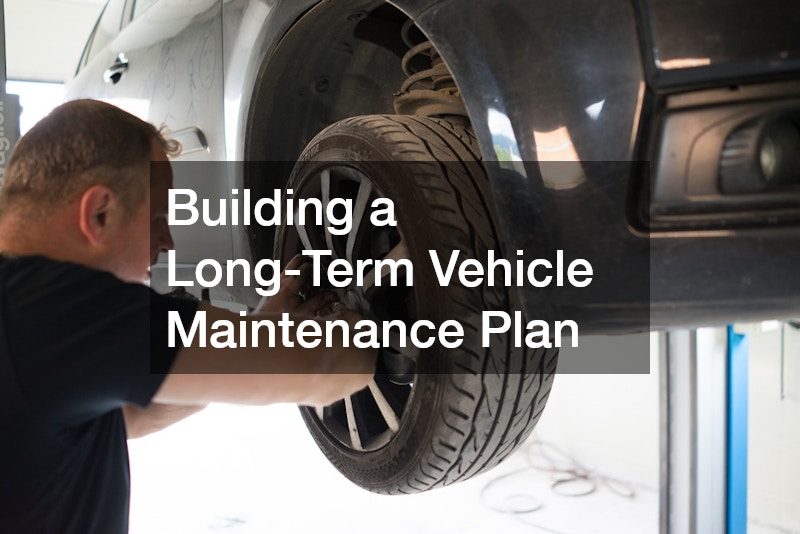
Creating a maintenance schedule helps drivers stay organized and avoid unexpected breakdowns.
A simple maintenance plan might include:
Monthly checks
- Tire pressure inspection
- Fluid level checks
Quarterly maintenance
- Oil changes
- Brake inspections
Annual service
- Battery testing
- Engine diagnostics
- Cooling system maintenance
Following manufacturer recommendations ensures that vehicles receive the service they need to remain reliable.
Final Thoughts on Responsible Vehicle Ownership
Cars play an essential role in everyday life. From commuting to work to transporting families and traveling across the country, reliable vehicles help keep life moving.
By focusing on preventative maintenance, addressing repairs quickly, and working with experienced automotive professionals, drivers can extend the life of their vehicles and reduce long-term costs.
Whether you need routine maintenance, collision repair, glass replacement, locksmith assistance, or accessibility upgrades, working with trusted professionals helps ensure that your vehicle remains safe, reliable, and ready for the road ahead.